The price of an aesthetic operation is not a single fee. It is the sum of several independent lines, and most of them are never visible to the patient. When two quotations for the same operation differ, the reason is usually not bargaining but a difference of scope: one includes the hospital stay and the other does not, one names the implant that will be used and the other does not, one counts the follow-up visits and the other does not.
What follows is each of those lines, one by one. The aim is not to quote a figure but to let you ask, when a quotation reaches you, what is inside it and what is not.
1. The hospital: the theatre, the stay, and the infrastructure behind both
In most quotations the largest single line is not the surgeon's fee, it is the hospital. And the hospital bill is not for one service but for a chain of connected ones.
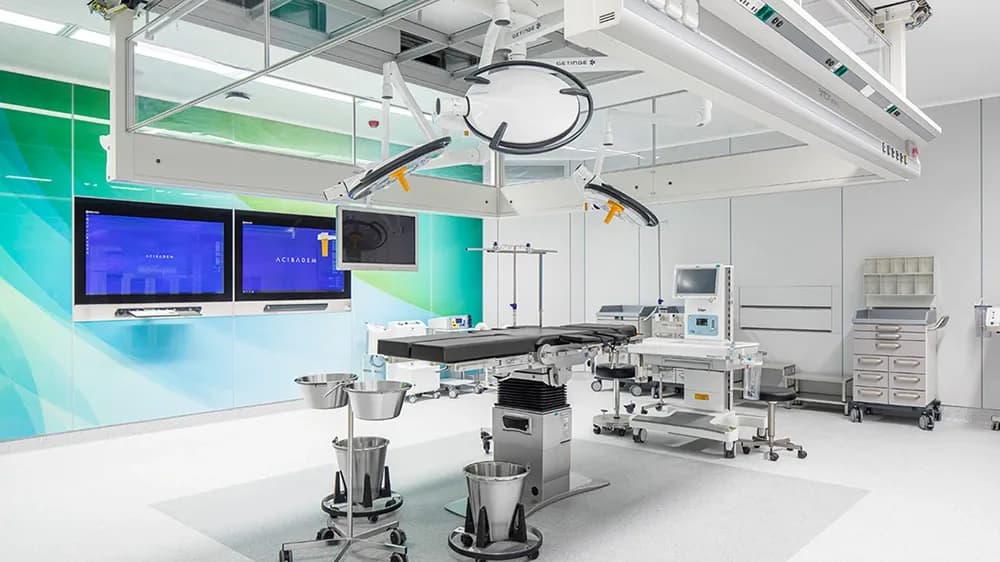
- The operating theatre. Preparation of the sterile field, anaesthesia machines and monitoring, the anaesthetist and the anaesthesia technician, the scrub nurse, anaesthetic gases, drapes and single-use materials. Theatre time is generally costed by the hour, which is why the length of an operation feeds straight into the price.
- The stay. The room, nursing care, medication, postoperative tests and, if needed, intensive care.
- Preoperative preparation. Blood tests, ECG, chest X-ray, the anaesthetic assessment, and a cardiology or respiratory-medicine consultation where one is required.
The line nobody sees is the decisive one: if a complication occurs, intensive care, a blood bank, radiology and the doctors of every other specialty are under the same roof. The cost of that capacity sits inside the price whether or not it is ever used. Aesthetic surgery is planned surgery and the odds of needing that capacity are low; but when it is needed there is no substitute for it.
Prof. Dr. Ferit Demirkan operates in the theatres of Acıbadem Ataşehir Hospital and Medicana Ataköy Hospital. Both count among the best hospitals in Turkey and both are full-service private hospitals: Acıbadem Ataşehir has 295 beds, 10 operating theatres and 45 intensive-care beds; Medicana Ataköy has 208 beds and 8 operating theatres. That choice is a safety decision first and a comfort decision second, and it explains part of what an operation costs.
2. The surgeon's fee, and time spent in theatre
A surgeon's fee is not payment for the hours spent at the operating table. What it pays for is the whole process: examination and planning, the operation itself, the postoperative visits, dressings and suture removal, the follow-up spread across months, and the assessment of a revision if one becomes necessary. Most of those are never invoiced separately, but all of them have a cost.
Time enters the price from two directions. The first is combined operations: when more than one procedure is performed in the same session, theatre time, anaesthesia time and the team's time all lengthen together. Having two procedures in one session costs less than having two separate operations, but more than having one, and the quotation reflects that. The second is that time is also a safety limit. The longer the anaesthesia, the higher the risk. "While I am here, let us do everything at once" is therefore not always possible, and that decision is made before price is discussed at all.
3. The devices used, and the single-use consumables they need
Some of the equipment in a theatre belongs to the hospital and is used in every operation. Some of it is specific to the procedure and needs a single-use consumable opened fresh for each patient. A large part of the gap between two quotations usually comes from here.
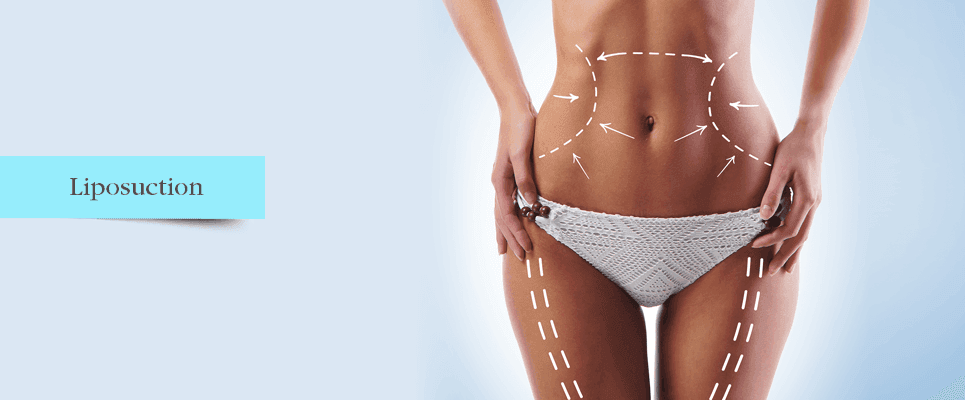
Liposuction devices. There is no single technique in liposuction, and there does not need to be. Which technology is used is not a brand preference but an indication decision that follows from the patient's tissue and the goal.
- Vaser, ultrasound-assisted. Ultrasonic energy loosens the fat before it is removed. It helps in fibrous tissue, in areas that have been operated on before, and in high-volume cases.
- Laser liposuction. A fine laser fibre passes under the skin; alongside melting the fat, the heat it produces is intended to give a degree of skin tightening. It comes into the discussion where skin laxity is the leading problem.
- Power-assisted, mechanical. A vibrating cannula lets the surgeon work with more control and less force applied to the tissue.
Each has its own handpiece, its own probe and its own set of disposable cannulas, and two of them are sometimes used within the same operation. "I want Vaser" or "I would like the laser one" is therefore not a pricing option but a question of indication.
Endoscopic imaging. Preparing the pocket for a breast implant, repairing separated abdominal muscles and lifting the brow can all be done under direct camera vision: the surgeon enters through a small incision and sees the deep structures magnified on a screen. The camera system, the light source, the monitor and the sterile drapes are a separate line, and endoscopy is not used in every operation. If it is going to be used, the reason is worth asking about.
4. The implant and anything else that stays in the body
A breast implant, a chin or cheek implant, the suture material, tissue glue, graft material: each is a separately priced product with its own record. With a breast implant the manufacturer issues a patient card carrying the serial number of the device, and that card goes into the patient's file. Change the implant and the price changes with it.
The point to hold on to here is that the implant is not a line to save money on. If a quotation does not state the make, the model and the warranty of the implant, the question to ask is not about the price but about which implant is going to be placed.
5. After the operation: the compression garment and the rest
The corset or compression garment worn after body-contouring surgery is not a cosmetic accessory. It directly affects how the swelling resolves and how the skin settles onto its new contour, it is fitted during or immediately after the operation, and it is usually worn for weeks. Alongside it come dressings, drains, postoperative medication and, where indicated, lymphatic drainage sessions. Whether these are inside the quotation varies from clinic to clinic, and it cannot be known without asking.
6. Planning the process, and the price of risk
An operation begins long before the day of surgery: the tests have to be sequenced, the anaesthetic assessment obtained, the date matched against the hospital's theatre schedule, and for a patient travelling from abroad the transfer, the accommodation and the interpreter coordinated. None of that is visible, all of it is real work, and it has a cost.
The least understood line in any price is the cost of risk. In Turkey, compulsory professional liability insurance for medical malpractice is a legal requirement for every physician. Beyond that, what happens if a complication occurs has to be set out in writing beforehand: who pays what in which case, whether the surgeon's fee is charged if a revision is needed, and who bears the additional hospital cost. Those answers are part of a quotation, not a subject to be opened after the operation.
Questions to ask when comparing two quotations
These are the practical headings, and each of them can change the total substantially.
- Which hospital is the operation in, and how many nights of stay are included?
- Are the theatre fee, the anaesthetist and the anaesthetic materials included?
- Are the preoperative tests and consultations included?
- Which implant will be used? Will the make, model and warranty card be provided?
- Are the compression garment, dressings and postoperative medication included?
- How many follow-up visits are included, and over what period?
- If a complication occurs, how is the financial responsibility shared, and is it in writing?
- How long is the quotation valid for?
Once those answers are in, it becomes clear how much of the gap between two quotations is really price and how much of it is scope. The cheaper quotation is usually cheaper because something has been taken out of it; the question worth asking is which line.
No figures appear on this site. Turkish Ministry of Health regulations do not permit health-service prices to be published publicly, so a quotation is prepared for the plan discussed and sent privately, through whichever channel you prefer.