

Facelift
A facelift repositions the deeper facial tissues to address the underlying causes of ageing, not just the surface, restoring a rested and natural look rather than a stretched one. The right technique depends on your age, anatomy and the areas that concern you, from small-incision lifts for younger patients to the deep plane facelift for more advanced ageing.
Prof. Dr. Ferit Demirkan plans each facelift around the four pillars of facial ageing - sagging, volume loss, mimic lines and sun damage - and often combines it with complementary procedures such as eyelid surgery, fat transfer or neck refinement for a harmonious, single-session result.
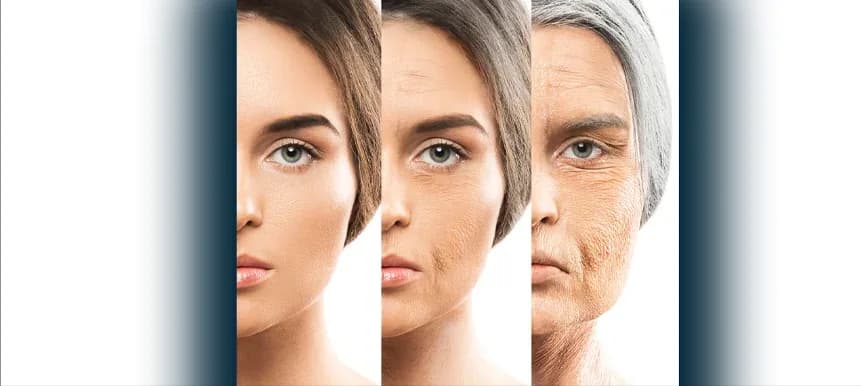
Four Pillars of Facial Aging
Facial aging is related to changes in the skin, and there are at least four different pathways that make our skin look older over the years. Therefore any type of facial rejuvenation planning should address each and every aspect of facial aging.
SAGGING - With age, the skin's ability to remain taut and firm declines due to reduced production of collagen, elastin, and hyaluronic acid. Combined with gravitational forces, this loss of skin laxity leads to drooping features, such as jowls, nasolabial folds, and marionette lines. The decreased skin turgor also impairs the skin's ability to recover from mechanical stress.
Treatment: Skin tightening devices, Facelift
SOFT TISSUE ATROPHY - As we age, the subcutaneous fat in the face decreases and redistributes, contributing to the hollowing of the cheeks, temples, and periorbital areas. This loss of volume results in sagging skin, deeper wrinkles, and an aged appearance. Additionally, bone resorption in the facial skeleton exacerbates the loss of structural support, further intensifying soft tissue atrophy.
Treatment: Fillers, Fat Injection
MIMIC LINES - Repetitive movements of facial mimic muscles, such as frowning, smiling, and squinting, contribute to the development of dynamic wrinkles. Over time, these wrinkles become static, remaining visible even when the muscles are at rest. Common examples include crow's feet around the eyes and forehead lines.
Treatment: Botulinum Toxins, Surgical ablation
SUN DAMAGE - UV radiation is a major external factor in skin aging, often referred to as photoaging. Prolonged UV exposure damages collagen and elastin fibers in the dermis, leading to the formation of wrinkles, uneven pigmentation, and a rough skin texture. UV-induced oxidative stress accelerates the breakdown of structural proteins, diminishing the skin's resilience and elasticity over time.
Treatment: Skin care, Skin Resurfacing

Highlights of Facial Rejuvenation
Facial aging starts almost right after puberty; however, we become aware of the changes in our early thirties. Facial rejuvenation is a strategic, step-wise approach to fight with facial aging. It should start as early as the thirties and evolves over the decades.

Step-Wise Plan for Facial Rejuvenation Across Decades
Third Decade (30s): Prevention and Early Correction
Focus: Preventive care and addressing early signs of aging.
1. Daily Skincare Routine:
- Use broad-spectrum sunscreen (SPF 30+).
- Incorporate antioxidants like Vitamin C or E serums to combat free radicals.
- Start using a gentle retinoid or retinol to promote collagen production and cell turnover.
- Hydrate with hyaluronic acid-based moisturizers.
2. Non-Invasive Treatments:
- Chemical Peels: To enhance skin texture and even out pigmentation.
- Microneedling: Stimulates collagen with minimal downtime.
- Light Therapy: Prevents pigmentation and boosts skin health.
3. Lifestyle Modifications:
- Adopt a healthy diet rich in omega-3 fatty acids, antioxidants, and water.
- Prioritize sleep and stress management to reduce cortisol levels.
4. Optional Preventive Botox:
- Minimize fine lines caused by repetitive muscle movement, especially on the forehead and around the eyes.
Fourth Decade (40s): Targeted Rejuvenation
Focus: Address collagen loss, fine lines, and volume depletion.
1. Skincare Enhancements:
- Upgrade to medical-grade retinoids.
- Introduce peptides and growth factor serums for advanced repair.
- Use alpha-hydroxy acids (AHAs) for enhanced exfoliation.
2. Intermediate Procedures:
- Dermal Fillers: Restore lost volume in areas like the cheeks and under-eye hollows.
- Botulinum Toxin (Botox): Address dynamic wrinkles on the forehead, glabella, and crow's feet.
- Laser Resurfacing: Treat deeper pigmentation and improve skin texture.
- PRP (Platelet Rich Plasma) Injections: Improve skin quality with growth factors.
3. Energy-Based Devices:
- Radiofrequency (RF) or Ultrasound Therapy: Stimulate deeper collagen production for skin tightening.
4. Regular Maintenance:
- Quarterly treatments like HydraFacials or chemical peels for ongoing rejuvenation.
5. Surgery:
- Upper eyelid surgery is usually the first aesthetic operation for the face in some individuals.
- Temporal lift or endoscopic brow lift may be indicated in some cases.
- Liposuction for the neck, sometimes with laser if tightening is also required.
Fifth Decade (50s): Comprehensive Restoration
Focus: Restore volume, elasticity, and address moderate to advanced aging signs.
1. Advanced Skincare:
- Intensify hydration with ceramide-rich creams and hyaluronic acid serums.
- Incorporate niacinamide to strengthen the skin barrier.
2. Combination Therapy:
- Dermal Fillers and Botox: Maintain volume and smooth wrinkles.
- Thread Lifting: A minimally invasive option to reposition sagging tissues.
3. Skin Resurfacing:
- Fractional CO2 lasers or ablative treatments to correct deeper wrinkles and sun damage.
- Deeper skin peels like TCA for better correction of wrinkles and pigmentations.
- PRP may be combined with CO2 laser treatments.
4. Skin Tightening:
- Ultrasound Therapy for maximal lift and firming.
- Radiofrequency skin tightening.
- Subcutaneous laser treatment for dermal tightening.
5. Lifestyle Adjustments:
- Hormonal changes during this decade can impact skin health. Consult a healthcare provider for hormone balancing if needed.
6. Surgery:
- Upper and lower blepharoplasty.
- Endoscopic brow or forehead lift.
- Mini facelift.
- Deep plane facelift.
- Neck lipo or neck lift.
- Fat injections, sometimes with stem cells.

Facelift Types
Facelift surgery is an evolving surgical technique in tandem with our understanding of facial anatomy. There are several facelift techniques, each addressing a different range of problems occurring at different age periods. They also differ in the scar location and length they leave.
Some facelift techniques with different names are actually overlapping in what they do and how they do it.
Facelift Techniques for Younger Patients
Facelifts, traditionally associated with older patients, are increasingly sought after by younger individuals in their 30s and 40s who aim for subtle enhancements or early intervention to maintain a youthful appearance. The focus of these procedures is preventing aging signs or addressing early issues like minor sagging and reduced skin elasticity.
They typically do not require skin excision, so they can be performed through small incisions and are less invasive. Here's an overview:
Temporal Lift & Endoscopic Brow Lift
Temporal lift and endoscopic brow lift are two different operations but they use a similar incision and aim at the same thing: an elevation of the lateral eyebrow. Procedures named as fox eyes or cat eyes can be easily added to these procedures, if required.
If performed as a singular procedure, they are indicated between 30-45 years of age. They can be combined with any other lifting or technique at any age.
Facelift Techniques for Middle Aged Patients
Facelift procedures for middle-aged patients (typically in their 40s to 50s) aim to address more pronounced signs of aging, such as deeper wrinkles, moderate to significant sagging, and volume loss.
The techniques used are generally more comprehensive than those for younger patients, often focusing on lifting larger parts of the face, sometimes involving small skin excisions or deep tissue plications/suspensions with internal sutures. They may also be combined with adjunct treatments to address skin quality (peelings/resurfacings), volume loss (fat or filler injections), or additional surgical procedures for specific areas like the neck (lipo/laser lipo) or eyes (blepharoplasty). Here's an overview of common procedures:
Endoscopic Brow Lift
Endoscopic brow lift is performed through 4 or 5 small incisions in the scalp and it can elevate the entire forehead area with the eyebrows, totally. The elevated tissues are fixed to the skull and deep tissues internally, and you may have a youthful look without skin excision or visible scars. This procedure can be combined with other facelift techniques involving the lower face or fat injections, blepharoplasties.
Endoscopic Forehead & Midface Lift
Endoscopic forehead and midface lift uses the same incisions as the forehead lift, but the dissection goes down the cheeks and includes a cheek lift with special dissolvable pulling plates that grab and elevate the cheeks towards the temples. It is indicated in cases in which there are no prominent jowls and no need for a skin excision.
Short Scar Facelift
Short scar facelift uses an incision just in front of the ear and a very limited skin-only dissection in the cheeks. It is indicated for minimal to little laxity in the cheeks only. A few deep sutures are placed to plicate the SMAS layer and 1-2 cm of skin may be excised. It has a minimal downtime, so it is sometimes named a mini facelift, weekend lift, etc.
MACS Lift
MACS lift (Minimal Access Cranial Suspension Lift) is basically a lift that affects the mid and lower face but excludes the neck. The differences from other short scar techniques are, first, it uses a bit longer incisions up and down, and second, it uses three long loops to suspend the upper and lower cheeks and the jawline, instead of SMAS plication. Again, there is no significant effect in the neck.
Deep Plane Facelift
Deep plane facelift is a full face lift covering the areas from the temples to the neck. In order to access the neck, it adds an incision extending from the back of the ear to the hairline in the neck, and another one under the chin. It is the most effective of all facelift procedures, not just because of the extent of the area it affects, but also due to a complete release of 4 groups of facial ligaments that hold the face in place. Release of all of these ligaments allows an enormous mobilization of the facial tissues upwards, and a more secure fixation.
There are other full facelift techniques that address the same areas, such as the high SMAS technique and the classical SMAS plication facelift; however, recently the deep plane technique has become more popular among both surgeons and patients, as it gives more efficient and natural-looking results.

When You Need Which Facelift?
There are quite a few types of facelift procedures, each aiming at a somewhat different solution to common aging problems in the face and neck. Moreover, there is a wide array of non-invasive and semi-invasive procedures available for facial rejuvenation, some of which are advertised as equivalent procedures to surgery, for instance the liquid facelift.
Even worse, non-surgeon physicians may push the boundaries of these alternative procedures to such an extent that you may end up with a completely changed facial identity, or waste your time and money on unyielding interventions. Therefore, it is important to have the opinion of an expert surgeon in making your decision about your facial rejuvenation choices.
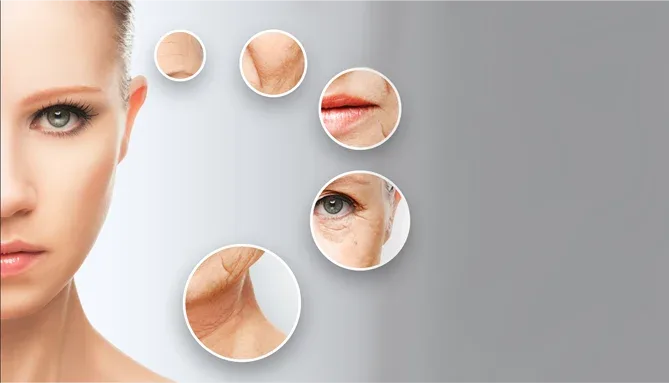
Procedures Combined with a Facelift
A facelift is a highly effective procedure to address facial sagging, wrinkles, and signs of aging. However, combining it with complementary surgical procedures can achieve more harmonious and rejuvenating results, addressing a broader spectrum of aesthetic concerns in a single session. This approach not only optimizes outcomes but can also reduce overall recovery time compared to undergoing separate surgeries.

Common Procedures Combined with a Facelift
- Eyelid Surgery (Blepharoplasty) This procedure targets drooping eyelids and under-eye bags, which are often not addressed by a facelift. Combining a facelift with blepharoplasty can rejuvenate the upper and lower face, creating a more youthful and rested appearance.
- Fat Transfer Age-related volume loss can make the face appear hollow. A facelift by itself may not be able to restore this soft tissue deficiency. Fat transfer involves harvesting fat from other areas of the body and injecting it into areas like the cheeks, under-eye hollows, temples or nasolabial folds, enhancing the facelift results.
- Chin Augmentation A retruded, weak chin does not only undermine the facial proportions, but negatively affects the neck contour, indirectly. Therefore a chin augmentation with an implant may restore the facial profile and help dramatically to enhance the neck and jaw definition.
- Lip Lift Some individuals may have a long upper lip, constitutionally; however, it may appear as a sign of aging and loss of perioral soft tissue support. Combining a lip lift procedure with a facelift will make the upper lip appear fuller and more youthful.
- Fox Eyes Surgery - Cat Eyes Lift - Almond Eyes Lift Creating an elongated, almond-shaped appearance to the eyes has become a popular aesthetic trend. It aims to lift the outer corners of the eyes and create a more slanted, fox-like appearance, which may well fit certain individuals. Combining this procedure with a temporal lift is quite feasible.
- Corrugator Muscle Excision The corrugator supercilii muscles, which are small muscles located above the eyebrows, are primarily responsible for creating vertical frown lines between the eyebrows (commonly referred to as 11 lines) by pulling the eyebrows downward and inward. The middle part of these muscles may be approached from above during an endoscopic facelift and resected, in order to prevent frowning permanently.
- Forehead Reduction This procedure is also known as hairline lowering surgery, and it is a cosmetic procedure designed to reduce the size of a high or disproportionately large forehead. This is achieved by advancing the hairline downward to create a more balanced and aesthetically pleasing facial appearance. This can be easily combined with any forehead lifting procedures.
- Neck Liposuction A full, fatty neck requires a liposuction prior to any neck lift.
- Skin Resurfacing Skin resurfacing procedures can complement a facelift by addressing skin texture, tone, and surface imperfections that the facelift alone does not correct. Combining these procedures helps achieve a more youthful and rejuvenated appearance. This can be performed with CO2 laser ablation, deep skin peeling (phenol or TCA) or dermabrasion.

Preparation for a Facelift
Preparing for a facelift operation involves several steps to ensure a safe procedure, optimal results, and a smoother recovery.
The three most important precautions you should take before a facelift procedure are:
- Quit smoking 4 weeks prior to your surgery
- Quit blood thinning medications and supplements prior to surgery
- Control your blood pressure with medications if it is high
1. Medical Evaluation and Consultation - Comprehensive Health Check:
- Disclose your full medical history, including chronic conditions (e.g., diabetes, high blood pressure) and past surgeries.
- Inform your surgeon about any allergies or adverse reactions to medications or anesthesia.
- Provide a list of all medications, vitamins, and supplements you are taking.
2. Pre-Surgery Tests:
- Blood work and possibly an EKG (electrocardiogram) or imaging to assess overall health.
3. Medication and Lifestyle Adjustments - Discontinue Certain Medications:
- Stop blood-thinning medications (e.g., aspirin, ibuprofen) and supplements like vitamin E, fish oil, or ginkgo biloba at least 2 weeks before surgery to reduce bleeding risks. If on prescribed anticoagulants, consult your doctor for safe discontinuation. Oral contraceptives should be stopped prior to surgery as they increase blood coagulability. If you are on angiotensin converting enzyme blockers (a type of anti-hypertensive medication), they should be replaced by another type of medication.
- Quit Smoking and Alcohol: Avoid smoking for at least 4-6 weeks before and after surgery to promote better healing and minimize complications. Smoking decreases skin circulation and may lead to skin loss after surgery. Limit or avoid alcohol in the weeks leading up to surgery.
4. Start Prescribed Medications:
- Your surgeon may recommend starting antibiotics or antiviral medications to prevent infections or cold sores if you are prone to them.
5. Skin Preparation:
- Skin Care Routine: Follow a pre-surgery skincare regimen, often involving gentle cleansers and moisturizers. Use any prescribed topical products (e.g., retinoids) if recommended by your surgeon. Avoid sun exposure, and protect your skin with sunscreen and avoid excessive sun exposure to minimize damage before the procedure.
6. Prepare for Recovery:
- Arrange Post-Operative Care: Have someone available to stay with you after you are discharged from the hospital. Arrange at least 2 weeks of leave for a proper convalescence period.
- Stock Up on Supplies: Cold compresses or ice packs for swelling. Arnica or bromelain supplements (if approved by your surgeon) to reduce bruising.
7. Mental and Emotional Preparation:
- Set Realistic Expectations: Understand the procedure, recovery timeline, and potential results. Discuss any concerns with your surgeon to address expectations and alleviate anxiety.
8. Practical Preparations:
- Clothing: Wear loose, comfortable clothing on surgery day, preferably with a front-opening top to avoid pulling clothing over your head.
- Hair and Makeup: Wash your hair and face thoroughly the night before surgery. Avoid wearing makeup, lotions, or jewelry on the day of the procedure.
- Strenuous Exercise: Avoid vigorous physical activities for at least a week before surgery to minimize risks of bruising or swelling.
- Hair Treatments: Refrain from coloring or treating your hair within a week of the surgery to avoid irritating the scalp.

Recovery Period in Facelift
The recovery period following facelift surgery varies from person to person based on factors such as the extent of the procedure, the patient's overall health, and the techniques used by the surgeon.
In general, facial swelling is the main complaint, which starts on the first day and reaches its peak on the third postoperative day. Recovery from swelling differs according to the type and extent of the facelift surgery, ranging from 1 week to 4 weeks. Another significant problem is the somewhat weird look due to this swelling and bruises, that lasts about 1-2 weeks.
Below is an outline of what you can expect during the recovery process
Immediate Post-Operative Period (1-2 Days):
You will stay for 1 or 2 nights at the hospital. There may be drains or a web of external sutures in the face, to prevent blood accumulation under the skin. They will be removed in 2-3 days. Your face will be in bandages and progressive swelling may create a feeling of tightness and pressure in the head. To mitigate swelling and bruising, cold compression will be applied. Steroids and edema-preventing herbal products like arnica and bromelain pills may be used. Pain is usually not a prominent complaint.
Early Recovery (1-2 Weeks):
- Swelling and Bruising: These are most noticeable during the first week and typically begin to subside by the end of the second week.
- Stitches and Bandages: Some of the visible sutures and staples are usually removed within 5-10 days, depending on the surgical approach.
- Physical Activity: You should avoid strenuous activities, heavy lifting, and bending over. Light walking is encouraged to promote circulation.
- Appearance: Visible bruising may still be present, but makeup can often be used after the first week to conceal discoloration.
Mid-Recovery (2-4 Weeks):
- Improved Comfort: Most swelling and bruising continue to diminish. You often feel more comfortable resuming light activities. You may resume sleeping on your side.
- Numbness or Tightness: Some residual numbness, tingling, or skin tightness may persist but is generally temporary.
- Return to Work: You may feel comfortable returning to work or public activities by weeks 2-3, depending on the physical demands and visibility of your job.
Long-Term Recovery (4 Weeks and Beyond):
- Final Results: Swelling can take several months to fully subside, revealing the final contours of the facelift.
- Scar Maturation: Scars will initially appear pink or red but gradually fade over 6-12 months, becoming less noticeable. Scar healing is usually very good in the face region.
- Lifestyle Resumption: Normal activities, including exercise and other physical activities, are typically safe to resume after 4-6 weeks with your surgeon's approval.
Tips for a Smooth Recovery
- Follow Post-Op Instructions: Adhere to the surgeon's guidelines for wound care, medications, and activity restrictions. Your blood pressure should be monitored and valsalva-type movements should be avoided as they may cause late bleedings.
- Elevate the Head: Keeping the head elevated while sleeping reduces swelling.
- Avoid Smoking and Alcohol: These can impede healing and increase the risk of complications.
- Protect the Skin: Use sunscreen and avoid prolonged sun exposure to protect healing skin and scars.
- Scar Management: Use silicone gel cream over the scars to minimize redness and elevation. If a bad scarring pattern arises, CO2 laser treatments will be very beneficial starting 4 weeks after the surgery.

Longevity of Facelift Procedures
A facelift is a long-lasting operation, in contrast to other less invasive or non-invasive methods of facial tightening such as thread lifts or energy-based devices. However, it cannot stop the natural aging process as time continues to run, so you may consider this operation as a set back of the clock for about 10 to 15 years.
| Technique | How long results last |
|---|---|
| Deep plane facelift | 10 to 15 years |
| Mid facelift | 5 to 7 years |
| Mini facelift | 3 to 5 years |
Several factors influence how long your results last:
- Age at the Time of Surgery: Patients in their 40s or early 50s often see longer-lasting results because their skin has better elasticity and regenerative capacity. Older patients may benefit greatly but might see results diminish more quickly due to reduced skin resilience.
- Skin Quality: Factors like collagen levels, skin elasticity, and thickness significantly impact how long results will last.
- Lifestyle Choices: Smoking, excessive sun exposure, poor diet, and stress can accelerate aging and diminish facelift longevity.
- Weight Fluctuations: Significant weight changes can lead to sagging skin, affecting the appearance of the facelift over time.
- Genetics: Hereditary factors play a role in skin aging and overall facelift results.
- Surgical Technique: Advanced techniques like the deep plane facelift offer more durable results compared to superficial procedures. Techniques that lift the SMAS layer have a much longer durability when compared to skin-only lifts.
- Maintenance and Enhancements: Using high-quality skincare products, including moisturizers, retinoids, and sunscreen, helps maintain results by protecting and rejuvenating the skin.

Frequently Asked Questions
Is a facelift procedure right for me?
Will a facelift give me a stretched look?
Are skin tightening devices an alternative to a facelift procedure?
Are some people better candidates for a facelift?
What is the best age for a facelift?
How many times can I get a facelift?
What are the risks of a facelift?
Related reading
Related procedures
Considering a facelift?
Book a virtual consultation with Prof. Dr. Ferit Demirkan to discuss your goals and a plan suited to you.
Contact us