
Hair Transplantation
Hair transplantation restores a natural hairline by moving your own hair follicles from the permanent donor area at the back of the head to thinning or bald areas. Three main techniques are used - FUE, Sapphire FUE and DHI - which share the same root-harvest step but differ in how the recipient sites are prepared and the roots are implanted. In experienced hands, hair loss is no longer a destiny.
Techniques Used in Hair Transplantation
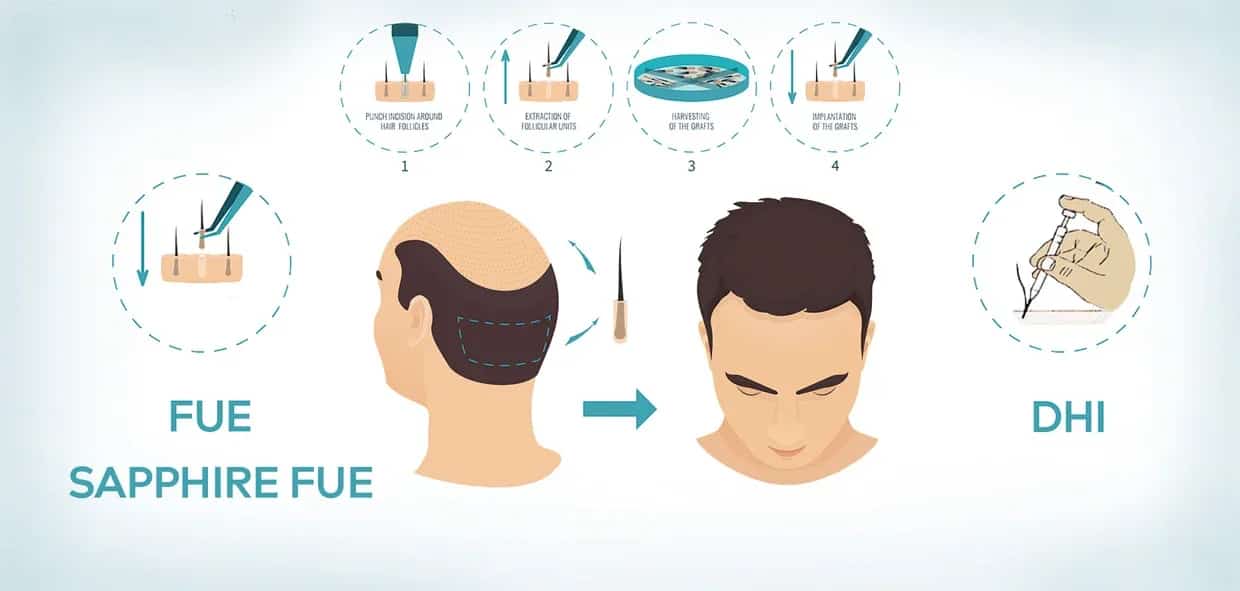
There are three main techniques used in hair transplantation: the Follicular Unit Extraction (FUE), Sapphire FUE and Direct Hair Transplantation (DHI). The harvesting of hair roots in all of these techniques is the same; however, there are major differences between them in the way the recipient sites are prepared and the harvested roots are implanted to the recipient area.
Root Harvest
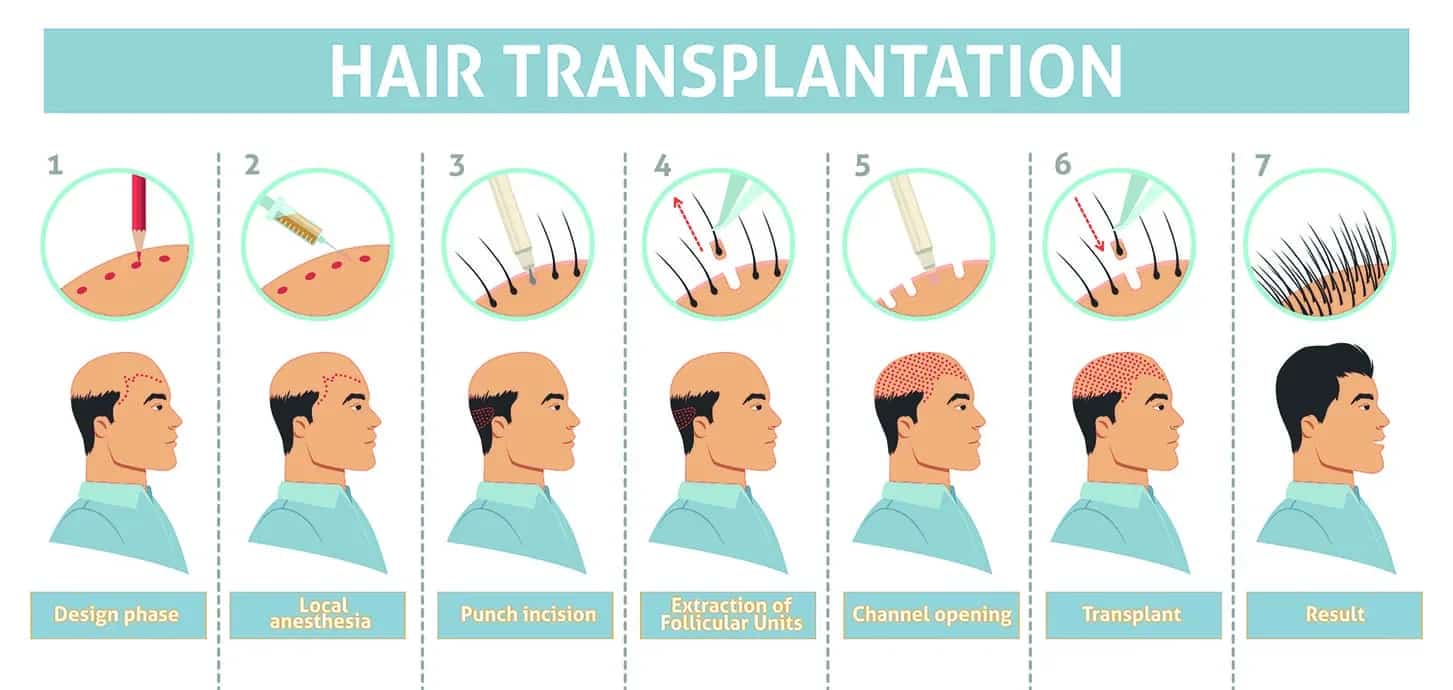
In all modern hair transplantation techniques, the hair roots are harvested individually, by circularly cutting knives. These knives are called ‘punch’, and may be manual or electrically powered (also called a micro-motor). Next, these grafts are manually collected from the back of the head with a forceps.
Root Treatment
Harvested roots are washed, then the damaged ones are screened and excluded. While waiting for reimplantation, these roots are kept moist in a special cold solution that can keep the cells alive.
Preparation of the Recipient Site and Root Implantation
FUE (Follicular Unit Transplantation)
In the FUE technique, the recipient area is prepared by opening slit-type (longitudinal) wounds in the scalp with specific blades. Then the hair roots are placed into these pre-cut slits one by one, with forceps.
Sapphire FUE
In the Sapphire FUE technique, the blade used to prepare the recipient area is not rectangular but spear-head type. The aim is to create a more rounded recipient hole with less dead space, so that the inserted hair is less likely to move and change direction. Then, the roots are placed into these holes with forceps, as in the traditional FUE.
DHI (Direct Hair Implantation)
In DHI, each root is first introduced into a pen (Choi-pen), which has a self-cutting needle that inserts the hair root automatically into the scalp with a needle prick. This technique may be seen as a more advanced way of achieving what the Sapphire FUE technique aims at: putting a root into a snugly fitting recipient hole to prevent dislocation. Moreover, DHI does recipient-area preparation and root implantation in a single step, minimizing both the root and surrounding tissue trauma.
Advantages of DHI
DHI and, to some extent, Sapphire FUE techniques have several advantages over the classical FUE technique:
- The roots can be positioned safely at any angle in DHI; however, in the FUE technique they can move and change direction in the FUE slits until they heal. So DHI creates a better hair design.
- As the roots are placed into a tight recipient pocket in DHI, the chances of traumatic dislocation of the transplanted roots are less when compared to FUE.
- The size of a DHI needle prick is much smaller than a FUE scalpel slit, so DHI creates less tissue trauma and consequently less edema and bleeding. That means DHI has a better postoperative recovery time.
- Again, due to the size difference of the scalp cuts between FUE and DHI, the latter technique can be safely used to implant hair roots in between native hair roots in recipient areas which are not totally bald. With FUE, the chances of damaging neighbouring hair roots during slit opening are higher, so in such areas DHI is preferred.
- With DHI, a more dense implantation is possible when compared to that in the FUE technique.
Disadvantages of DHI
The main disadvantage of the DHI technique is the time-consuming nature of the procedure. Therefore a maximum of 2500 to 3000 units can be transferred with DHI in one session, whereas in FUE this number can go up to 4500 roots per session. Another disadvantage of DHI is the increased cost, due to the special equipment used in this procedure.
You do not need to choose one of these techniques over the other; if necessary a mixed technique may be used in different areas of your scalp, together providing both the speed of FUE and the preciseness of DHI. Dr. Demirkan will help you to create the best treatment approach according to your hair-loss style.
What Should I Expect?
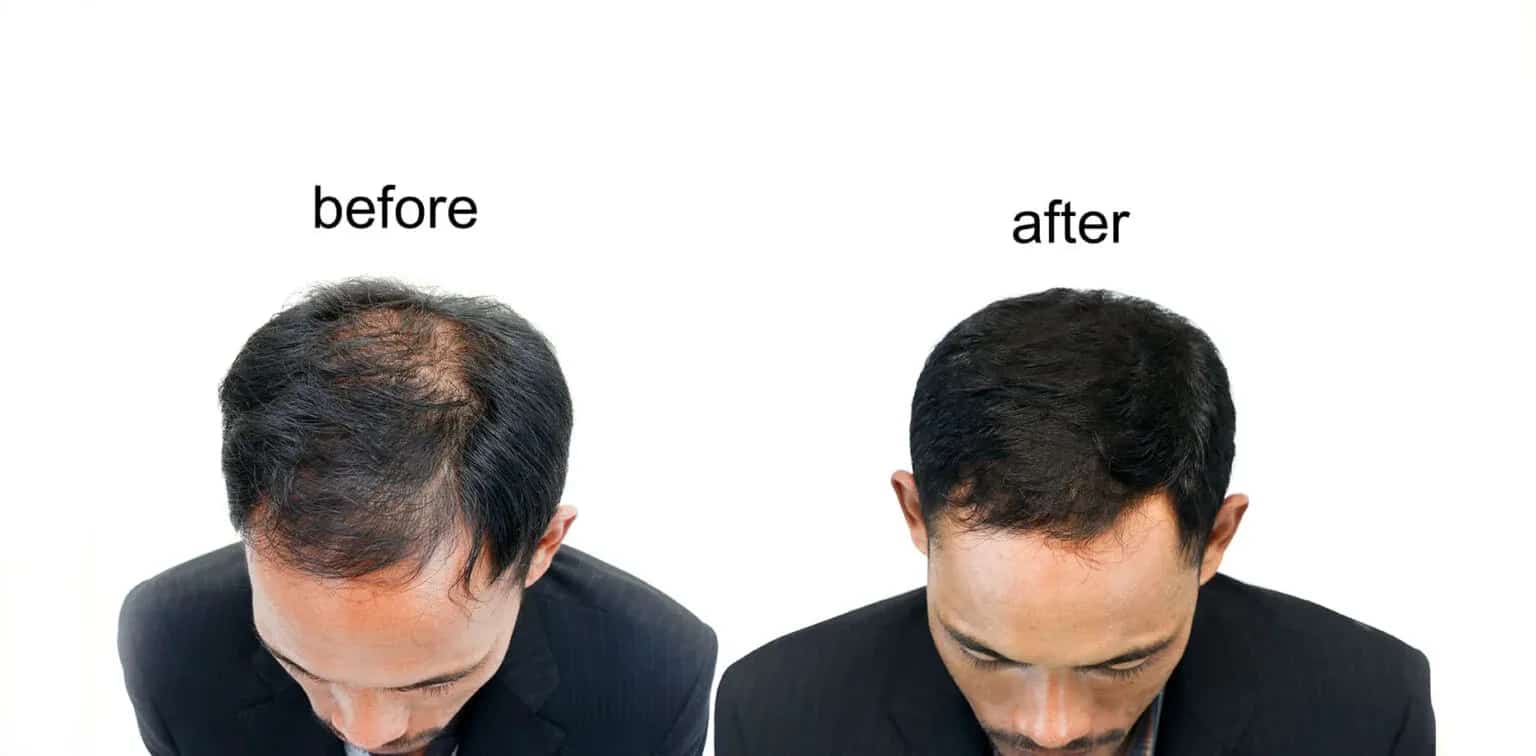
Hair transplantation is a successful surgical treatment for male pattern baldness. The techniques used in transplantation have evolved significantly within the last decade, leading to more dense and more natural-looking results. However, a good result is not all dependent on the technique used. There are many variables that will affect the outcome:
Better Results
- Hair loss in a smaller area
- Thicker hair
- A negative family history of complete baldness
- Younger age
- Not smoking
- Meticulous postoperative care
- Prevention of postoperative infections
- Prevention of postoperative trauma
- Halting of genetic hair loss after transplantation
- Use of hormone blockers against dehydroepiandrosterone
Lesser Results
- Wide areas of hair loss
- Thin hair
- Curly hair
- Sparse hair at the donor site
- Repeat hair transplantation
- Advanced age
- Smoking
- Lack of adequate postoperative care
- Infection of hair follicles after the transplantation
- Exposure of the scalp to trauma
- Ongoing genetic hair loss of the native hair at the recipient site
Beyond those variables, the most important part that will affect the survival of the transplanted hair follicles during your surgery is cleanliness (sterility) of the surgical environment and delicate treatment of the hair roots during all phases of the transplantation.
Non-Surgical Treatments for Hair Loss
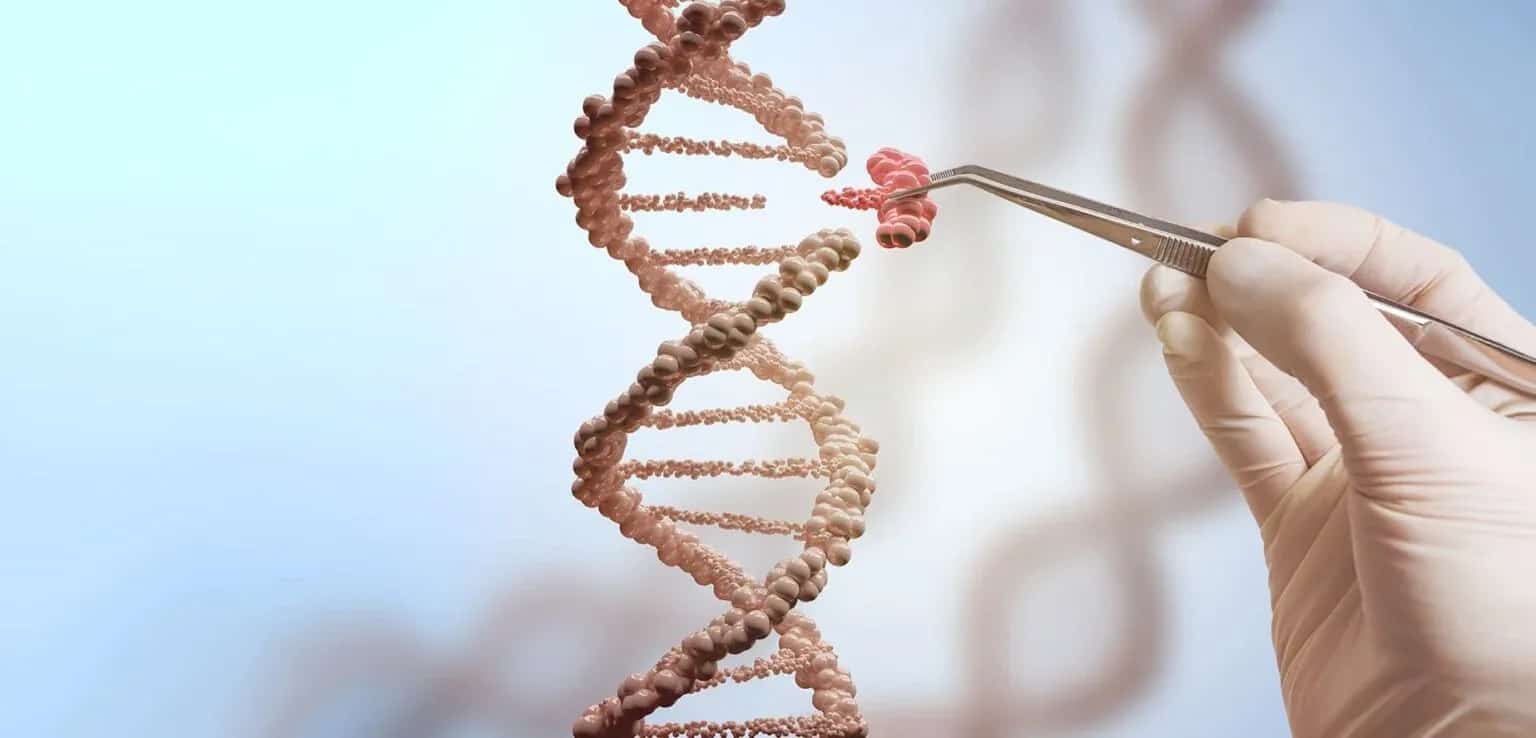
Hair loss in men is caused by a genetically increased sensitivity of hair follicles to the male hormone dihydrotestosterone (DHT). Despite normal DHT levels, these individuals have a constant thinning and subsequent loss of the hair in the frontal and temporal regions and at the top. The end point of the hair loss is also genetically predetermined. Understanding the molecular mechanisms of this problem has provided us with some effective medical treatment options that can slow down the hair loss, revitalize dying hair strands or boost the results of hair transplantation.
The majority of these medical treatments are anti-androgenic medications targeting blockade of DHT activity on hair follicles. Others support the hair follicle life cycle by improving regional blood flow or through the action of growth factors they provide.
As dihydrotestosterone presents continuously in the bloodstream at a constant level, any medication that fights male-type hair loss has to be used continuously. However, androgenic hormone levels drop significantly after 50, and hair loss may get stabilized spontaneously.
Medications and Treatments Effective Against Hair Loss in Men
- Finasteride (oral* or topical)
- Dutasteride (oral or with mesotherapy)
- Minoxidil (oral or topical*)
- Latanoprost (topical)
- Microneedling
- PRP
- Low Level Laser Light Therapy*
- Stem Cell and Fibroblast injections
- Exosome therapy
- Supplements and Topical Oils
* FDA approved treatment
Finasteride: It is a medication that blocks dihydrotestosterone production and has been in use for male-type hair loss for more than 2 decades. It is used as 1 mg tablets taken every day, and it shows its effects after several months. It is more effective in treating balding at the vertex, rather than at the frontal scalp, and more effective if started early. It should be used continuously, otherwise the effect will wear off in a couple of months. In long-term use, it may cause some sexual dysfunction such as erectile or ejaculatory problems or loss of libido in a small percent of cases.
Moreover, depression may be added on top of sexual dysfunction, which is called post-finasteride syndrome. If any side effects do occur, the drug should be discontinued, as these side effects may not be reversible in some persons. A new topical gel formulation is available with much less side effects and similar results.
Dutasteride: This is another dihydrotestosterone production blocker that functions at two different steps, so it is much more potent than finasteride. It is used as 0.5 mg tablets per day and it is more efficacious than finasteride at increasing hair counts at 24 weeks of use. It has similar side effects to finasteride and is more expensive. Dutasteride may be administered as local injections, and in this way it has much fewer side effects due to its limited systemic absorption. Dutasteride mesotherapy is performed every three months.
Minoxidil: It is an anti-hypertensive drug that can induce hair growth all over the body as a side effect. Therefore topical use as 2-5% lotion or foam twice a day is advised. Its effect is variable but, with a dedicated application, usually an increase in hair density and thickness is observed after 4 to 7 months. Again, the use has to be continuous. Due to the difficulty of applying a serum twice a day to hair, compliance is the major problem, and therefore a low-dose oral administration, between 0.25 to 1.25 mg per day, is now proposed.
Latanoprost: This lotion is a prostaglandin F2 analogue, used as a 0.1% lotion topically, every day. It increases the growth of hair follicles after 24 weeks. Similar lotions have been in fashion to augment eyelashes and eyebrows in the last decade. They are effective; however, the high cost of the drugs limits their usage.
Microneedling: This is a safe adjuvant therapy that can be performed by the patient at home with commercially available rollers. Small percutaneous wounds are induced with small needles, resulting in the release of growth factors that enhance the number and thickness of hair follicles. The advocated needle size differs between 0.6 to 1.2 mm. This treatment actually prepares the scalp for other topical medications by creating channels to improve absorption. Combined applications with topical finasteride and minoxidil solutions, or even with PRP, have been shown to be synergistic.
Low Level Laser Therapy (LLLT): Since the 1960s, low-fluence red laser at 655 nm has been known to grow hair. In the last decade, LLLT has emerged as a more commercially available therapeutic method for treating male-type hair loss, through the invention of home-use devices available in the forms of combs, helmets and caps. The Capillus® laser cap and Hairmax® Lasercomb/Laserband are two such devices that are FDA-cleared for the management of male-type hair loss.
They are used daily or every other day for 10 to 15 minutes, and after 4 months an increase in density is observed. Combination of LLLT with minoxidil or finasteride may improve the efficacy.
Platelet Rich Plasma (PRP): It is not curative, is generally indicated for patients with early-stage hair loss, and needs to be repeated regularly to maintain the effect. The problem with maintenance is the semi-invasive nature of the procedure: approximately 10-30 mL of blood are drawn from the patient's vein and centrifuged for 10 min in order to separate the plasma from red blood cells. The platelet-rich plasma, containing numerous growth factors, is then injected into the deep dermis or subcutaneous tissue at a volume of 4-8 mL per session.
There are different protocols for the frequency of applications; however, it was shown that more frequent use during the first 3 months (monthly or twice a month), followed by quarterly boosts, induces a quicker onset of action. Usually patient satisfaction is high and the majority continue with the maintenance therapies.
Stem Cell Therapies
- Mesenchymal stem-cells are isolated from fat harvested by liposuction, and these cells are injected into the scalp for supporting hair follicle growth. The results are variable and the stem cell harvest needs a surgical procedure.
- Follicular stem-cells can be obtained by mechanical centrifugation of the scalp's punch biopsy, and injected back into hair-depleted scalp without any processing, to improve the hair density.
- Recently fibroblasts, which have been shown to have stem-cell-like capabilities, have been advocated for treatment of male-type hair loss. Fibroblasts are obtained by punch biopsies from the patient's skin, proliferated in cell cultures and then injected into the scalp to induce follicular growth.
Exosome Therapy: Exosomes are nano-sized, membrane-bound vesicles secreted by stem cells. They represent a new frontier in regenerative medicine. They contain potent growth factors that can stimulate the hair follicle at several levels. They are free of cells, so they can be manufactured and used without immunological concerns. Their application is with injection into the scalp, at intervals, like PRP. ExoFlo and ExoCel are two commercially available preparations for male-type hair loss.
Supplements and Oils: A deficiency in vitamins B12, C, D, or H is known to cause hair loss. However, male-type hair loss is not related to vitamin deficiencies unless there is a concomitant nutritional problem. The nutritional supplements used in male-type hair loss are formulated with phytocompounds which are natural suppressors of androgen activity (saw palmetto, etc.), have anti-oxidant effects (resveratrol) or increase local blood flow.
Nutrafol® is a well-studied hair supplement. Topical caffeine used in shampoos and lotions has an interesting boosting effect on follicle proliferation. Rosemary oil, pumpkin seed oil and tea-tree oil are plant-based oils which have some clinical evidence about their effectiveness on male hair loss.
However, it is not practical to use hair oils on a daily basis, a fact that deters patients from these products. A marine complex oral supplement (Viviscal®), obtained from sharks and mollusks, has demonstrated hair-growth promotion in male-type hair loss patients, and later shampoo and cream versions were released.
Transplantation Procedure
Hair transplantation may be performed in a two-night visit to Istanbul, if you can arrive with a morning flight and return with an evening one. Here is a short schedule of a typical hair transplantation trip:
Day 1
- Airport transfer (2 hr)
- Hotel check-in (15 min)
- Transfer to the hospital for blood tests (20 min)
- Blood tests (30 min)
Day 2
- Transfer to the hospital (20 min)
- Consultation with Dr. Demirkan for discussion and planning (30 min)
- Hair shaving (10 min)
- Photography (5 min)
- Change of clothes to surgical gown and room arrangements (10 min)
- Anesthesia in prone position (10 min)
- Root harvest (1 to 3 hrs)
- Root screening and counting (performed while the harvesting is going on)
- Break for lunch (30 min)
- Root implantation (1 to 3 hrs)
- Return to hotel (20 min)
Day 3
- Check-out from the hotel (10 min)
- Transfer to the hospital (20 min)
- Removal of the bandages and hair wash (30 min)
- Photography (5 min)
- Hair wash and other instructions (20 min)
- Transfer to the airport
Post-Operative Period
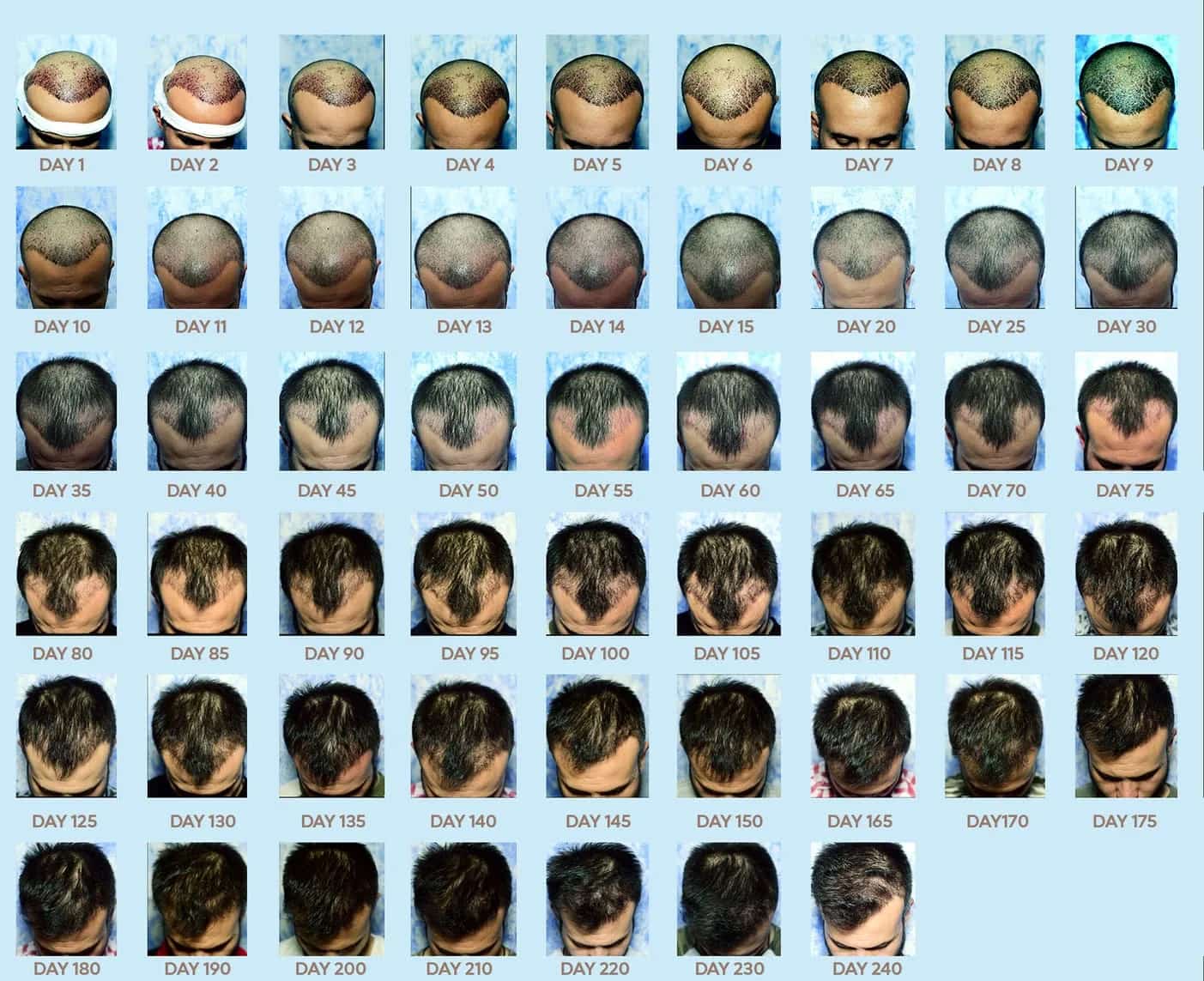
It takes 9 months or a year to see the results of hair transplantation. This is related to the long life cycle of hair follicles. After transplantation, the newly implanted hair follicles typically enter a resting phase (telogen), leading to the shedding of the transplanted hairs within the first few weeks to months. The recovery period allows for these hairs to shed and the hair follicles to rest before the new growth cycle begins. Typically there is a shedding of the implanted hair 1 month after the transplantation, then the hair starts to come back after the 3rd month and continues to grow until 9 months. The donor area heals in 3 weeks.
Proper care and adherence to post-operative instructions in the early recovery period are essential to ensure the best possible outcomes.
Immediately After Surgery
- Dressing Removal: The medical team will remove the bandages and dressing used to cover the donor areas. After washing, the donor area may be closed with a dressing again for one more day.
- Instructions for Washing: You will receive detailed instructions on how to wash the transplanted area, and also see how it is done as the medical team washes your hair. This is an important part of early healing, because scabs form around implanted follicles due to oozing blood and liquids, and these scabs have to be removed by gentle daily washing within the next 15 days. If they stay longer they may create infection in the form of folliculitis. The special shampoo and cream conditioner will be provided to you. The team will show you how to use your hands during washing and how to dry your head with a towel.
- Itching: If there is itching in the transplanted area, do not rub but use the spray given to you.
- Medications: There will be an antibiotic, pain killer and anti-edema medication that should be taken for a few days. You may use hair-specific vitamins for the next 6 months. Anti-androgenic pills or lotions may also be prescribed according to the needs of individual cases.
First Few Days (Days 1-3)
- Swelling: Some degree of swelling, particularly around the forehead and eyes, is common during the first few days. It usually resolves within a week. You may wear a head band to prevent edema descending towards your face.
- Pain and Discomfort: Patients may experience mild pain, tightness or discomfort in the donor and recipient areas. The pain medications prescribed can help manage this.
- Sleeping Position: Typically sleeping on your back is advised for 3 weeks, with some head elevation to minimize swelling. Sleeping on your side may cause loss of the implanted follicles due to friction.
- Avoiding Physical Exertion: Strenuous physical activity, heavy lifting, swimming, sauna and exercise should be avoided for at least a few weeks.
- Scab Formation: Small scabs will form in the recipient area, which is a normal part of the healing process. These scabs will typically start to fall off within a week or two.
First Week (Days 4-7)
- Shampooing: The transplanted area should be washed gently, daily, with the moisturizing cream and shampoo given. Proper washing and care are essential to prevent infection and promote healing. After 15 days you can use your regular hair care products.
- Return to Work: Many patients can resume work and most daily activities within a week, depending on their comfort level.
- Avoiding Sun Exposure: You should avoid prolonged sun exposure to the treated areas, to prevent sunburn, irritation and hyperpigmentation.
2-5 Weeks After Surgery
- Shedding: It is common for the newly transplanted hairs to shed after the third week. This is a normal part of the process, and new hair growth will gradually begin.
- Avoiding Trauma: You should avoid any activities that could traumatize the transplanted area, such as scratching, rubbing or wearing tight headgear.
- Gradual Healing: The donor and recipient areas will continue to heal and improve over the next several weeks.
- Haircut: You may have a haircut after 1 month with scissors. Electrical cutters may be used after the third month.
Months After Surgery
- New Hair Growth: After the initial shedding, patients will start to see new hair growth in the transplanted areas. This can take several months, and the final results may not be fully visible until 9 to 12 months post-surgery.
- Hair Dyeing: This can be done after the 6th month.
Frequently Asked Questions
Is it better to have hair transplantation early or later?
Is hair transplantation a painful procedure?
Should I quit smoking before the hair transplantation?
How many grafts do I need?
Do I need more than one session?
What is the maximum number of grafts that can be harvested for hair transplantation?
Should I use any medication after the hair transplantation?
Should I use a hair band after the surgery?
Can I wear a hat after hair transplantation?
Will there be a scar in the donor area after hair transplantation?
When will I get the result after hair transplantation?
Will the result be permanent?
Why are some hair transplantations not successful?
How much time do I need to get back to work?
When can I have a hair cut after hair transplantation?
When can I go to the gym after the operation?
Does any hair grow at the donor site?
Can I have more than one hair transplantation?
Do my other health problems have an impact on hair transplantation eligibility or success?
How much does hair transplantation cost?
Related reading
Related procedures
Considering a hair transplantation?
Book a virtual consultation with Prof. Dr. Ferit Demirkan to discuss your goals and a plan suited to you.
Contact us