

Breast Augmentation
Breast augmentation by Dr Demirkan offers natural-looking results, combining expertise with advanced techniques. Whether you have had small breasts since puberty or have lost volume due to weight loss, breast-feeding or aging, a breast augmentation may help you achieve fuller and better-shaped breasts.
This is a top aesthetic surgery procedure with very high satisfaction rates. Augmentation with silicone prostheses can create the desired shape and volume in a relatively short surgery, and only with a short scar. Dr. Demirkan, who is also an expert in breast reconstruction in cancer cases, will work with you to find the best implant size and shape for your body type.

How to Choose a Breast Implant?
The most common question is, of course, "How to choose a breast implant?" You have several options for your breast augmentation with Dr. Demirkan. The first question he will ask you is "Are you a round-implant lover or prefer a more natural look?" If you cannot decide, he will give you another option, the Ergonomix, which is a new type of silicone implant that will look like a round implant when you lay down and take a tear-drop shape in a standing position.
The next question will be "How big do you want them?" Your answer will probably be in cup sizes; however, bra cup size is not an accurate way to measure breast size. It would be misleading, because bra sizing standards change from region to region and from manufacturer to manufacturer. But an expression like "I want it one cup or two cups bigger" still might help your surgeon. One cup is usually between 130 to 170 cc.
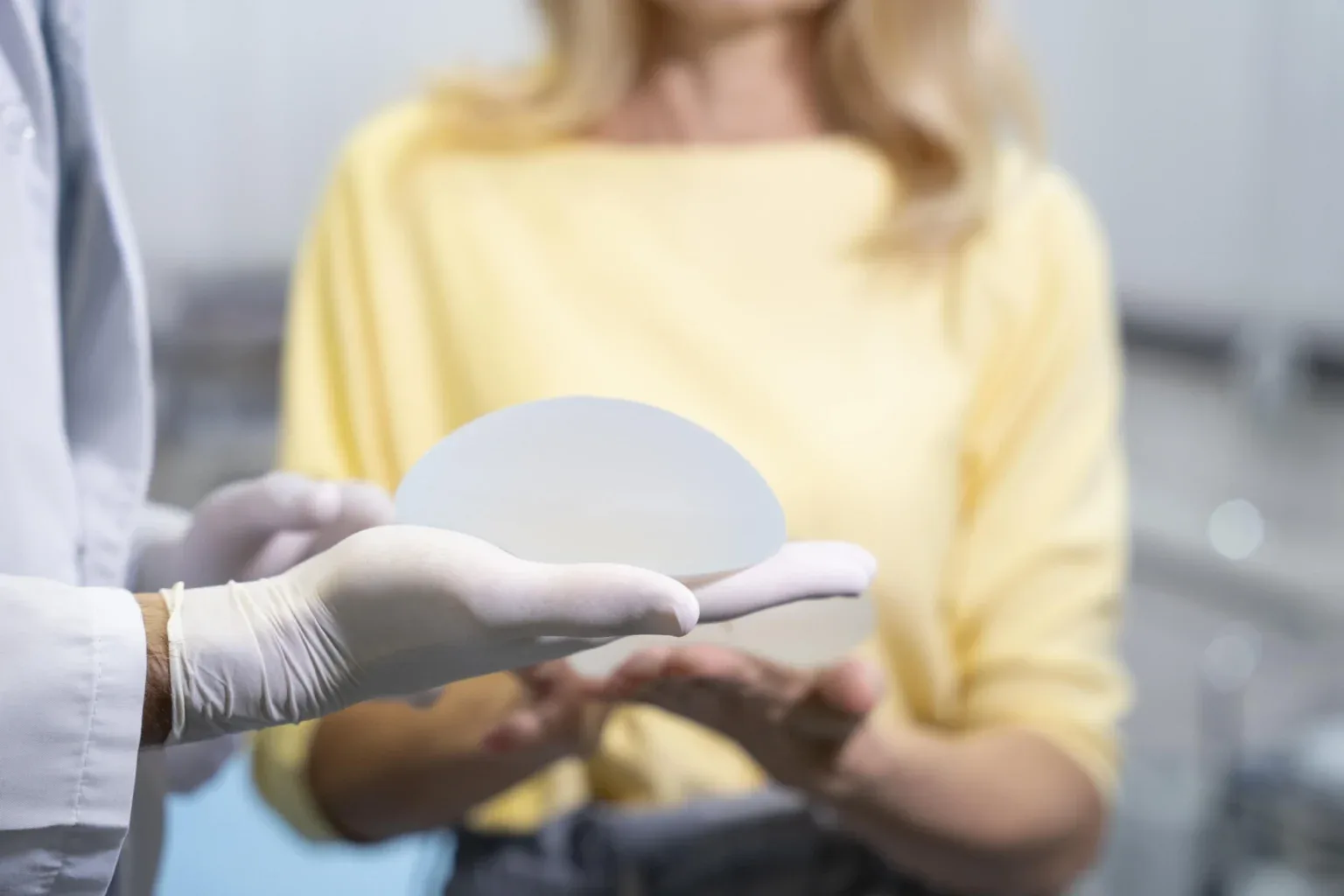
Dr. Demirkan will help you to have an idea about a real implant's weight and look by using a try-on implant sizer set. Then you can understand the relationship between breast implant size and your body shape.
Your height, weight, body type and shoulder-chest-hip widths are factors that should be considered in breast implant size choice for breast augmentation. You should also think about the impact of bigger breasts on your lifestyle, daily activities, wardrobe choices and professional activities. Will you be comfortable with the increased attention of people around you?
If the answer is positive for all these questions, then you may go a little larger. Still, you better be aware of another impact of larger implants: they will increase the gravitational forces on your breast skin and may cause premature sagging. If you already have skin laxity, then a different type of breast implant called B-Lite may be more suitable for you.

Your Anatomy Defines the Size of the Implant
The final step is to find out what your anatomy says. There are a few important measurements that may dictate a limit to your augmentation and the shape you choose:
- Breast width - breast implants get bigger by increasing their diameter and projection. If your chest width is narrow, then you may have a limitation in the size of your breast implant.
- Nipple to inframammary fold distance - if this length is narrow, a tear-drop shape implant may be more suitable for you. Of course, there are techniques to increase this length, but these may increase the cost of the procedure and may add new risks.
- Sternal notch to nipple distance - if this length is longer than 20 cm (in an average woman), then you may be a candidate for a simultaneous breast lift procedure.
Above or Below the Muscle?
You might be confused about the terminology you have been hearing regarding the placement of implants in breast augmentation. Above the muscle, below the muscle, submuscular, subglandular, subfascial or dual plane? Different surgeons may have different preferences because of their training. However, it all depends on your weight, skin type and lifestyle.
One of the most common questions before breast augmentation is "Above or below the muscle, which is more suitable for me?" Don't worry! Dr. Demirkan will help you make the best decision for your breast augmentation operation.
Let's Make it Clear!
Your chest is covered by the pectoralis muscle in the upper and inner parts. It has a thick membranous covering which is called fascia. A breast implant may be placed either:
- Over this muscle, then it is called subglandular.
- Over this muscle but below its fascia, then it is called subfascial - practically the same as subglandular.
- Under this muscle, then it is called submuscular. However, due to its shape (the white line in the illustration), the muscle does not cover the implant in the lower-outer quadrants.
- Under this muscle, but after separating the lower half of the muscle from the overlying breast tissue, then it is called the dual plane. The difference from submuscular is subtle; however, it has a liberating effect in the lower pole, because the muscle can slide upwards under the gland, exerting no more compression over the implant's projectile lower half.
Which Plan is Best for You?
A subglandular placement may be the best choice if your skin over the breast is thick enough. Otherwise, the implant edges might be visible from the outside. Dr. Demirkan will measure your skin thickness with a device called a pinchmeter.
Subglandular
If it is more than 2 cm, then you may have a subglandular implant. It is easier, more anatomic and a less painful procedure when compared to submuscular placement. The recovery period is shorter and final results are achieved within a few weeks. Larger implants may be used, as skin expansion is less hindered. Moreover, your implants will age with your breasts, moving down with your breast as the skin elasticity decreases.
Another indication for subglandular placement is laxity in breast tissue, which might happen after childbirth. A submuscular placement in such a case may lead to a double bubble appearance, with the implant riding higher than the breast itself.
Submuscular
A submuscular placement will be a necessity if you are a skinny person with small breasts. The muscle covers the implant totally in the upper and inner parts, smoothing the lines around the implant and giving it a more natural appearance. As there is a better soft-tissue cover, rippling is less. Rippling is the visibility of wrinkles in the implant shell. Submuscular implants interfere less with mammography.
However, implants may move with muscle action, a phenomenon called 'animation' in submuscular placement. Animation is not only an aesthetic problem; this muscle action may rotate your implants if you are a professional athlete using your arms or a yoga instructor.
Dual Plane
A dual plane will be ideal in a patient with a short nipple-inframammary fold distance. The vectorial forces created by this technique allow expansion of the lower-pole breast skin preferentially compared to the other two techniques. This results in a more natural-looking breast if you are thin and have small breasts. In selected cases, this technique gives the most natural results.
Need a Lift?
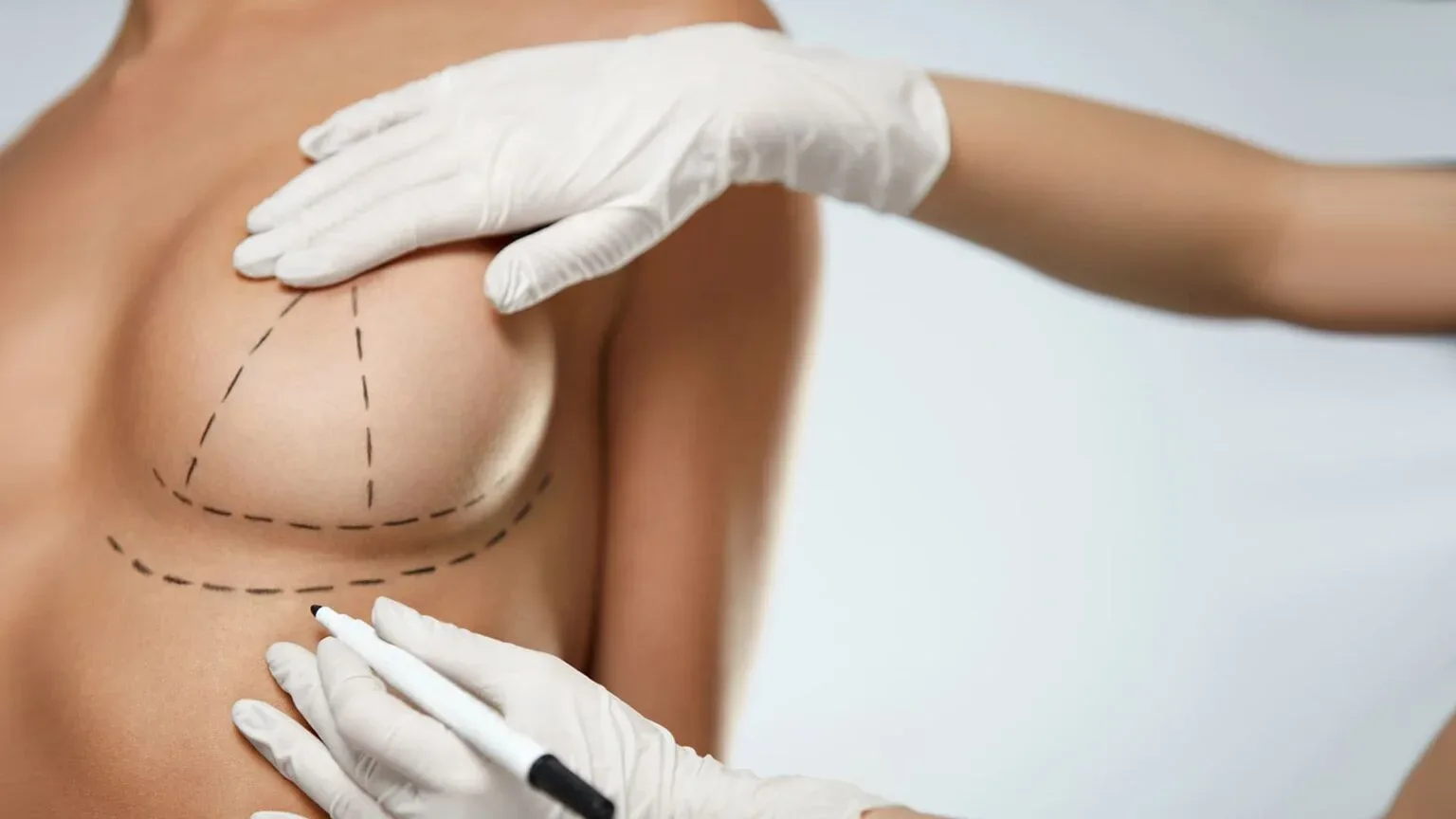
You may not be aware of the sagging in your breasts when they are small or atrophied. Limited sagging may be treated by breast augmentation.
This is the hope of most patients, because an added vertical scar will change the scene. A common question is whether a bigger implant obviates the need for lifting or not. However, if there is a significant descent of the nipple or a significant excess of skin, a breast augmentation procedure alone may create a series of bad results, ranging from bigger but low-set breasts to big breasts with nipples looking even further down.
Dr. Demirkan will carefully evaluate your breasts and discuss your aesthetic goals to help you decide whether to have a concomitant lift or not. In this evaluation, the position of the nipples, skin elasticity and the distance between the sternal notch and the nipple are crucial factors.
Degrees of Ptosis
Incision
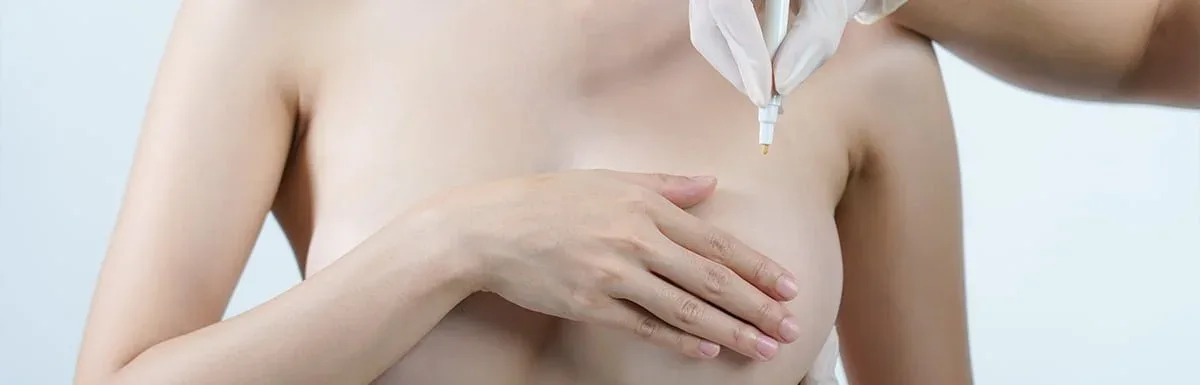
Breast augmentation incision is quite short, measuring 4.5 cm in length, and has a quick healing capacity. Several incision sites have been used in the past; however, at present the inframammary approach is the gold standard. The previously popular periareolar incision site, which uses the junction between the lower areola and the white skin, has been associated with higher capsular contracture rates. The axillary approach has been more usable when saline-filled round implants were chosen.

Simulation
Simulation in breast augmentation has been available for almost 2 decades; however, it may still be more virtual than real. Several 3D imaging technologies from companies like Vectra, Crisalix, or more recently technologies using 2D photos to create 3D images, may stumble at times when it comes to estimating soft-tissue dynamics. Therefore virtual reality is used only as an adjunct in clinical decision-making about the size and shape of the implant.
Another type of simulation is by using try-on implant sizer kits. You may feel the weight and see the size of breast augmentation by putting silicone cones of different sizes in your bra. This method is still a crude way of reaching a decision for your breast augmentation surgery.
Dr. Demirkan will analyze your breast features, understand the size you wish to have, and choose a range of implants that may fit you. During the surgery, he will have a real try-on with implant sizers before breast augmentation to find the best-fitting implant. An implant sizer is a sterile, disposable, one-on-one replica of the actual silicone implant. Its insertion into the prepared pocket will give an optimal idea about the result.

Asymmetric Breasts
Perfect symmetry does not exist in the body. Breasts are no exception. However, you may not be aware of these asymmetries until your physician points them out. The nipples may be at different levels, one side may be larger than the other, the inframammary folds may not match, and so on.
If these differences are minimal, it is best to leave them untouched. If there is a significant volume difference, the smaller side may receive a bigger implant to match the other. In certain cases, using the same implant on both sides with fat injection to the smaller breast might be a better idea.
Differences in nipple levels or sizes may need procedures that create additional scars. Tubular breast is another cause of asymmetry and needs a special treatment approach. Dr. Demirkan will guide you about the pros and cons of symmetrization procedures after he examines you right before your breast augmentation surgery.

Tubular Breasts
Tubular breast is a congenital problem that creates a range of deformities in the form and shape of an already small breast. It may profoundly influence your psychosocial well-being and sexual life.
Its correction needs expertise and sometimes the application of reconstructive techniques in breast augmentation. In severe forms, a two-stage operation may be required.
Constricted breasts, tuberous breasts and herniated areola are the other names of this problem.
It may be manifest bilaterally or unilaterally. These breasts are almost always asymmetric even in bilateral cases. Basically, it represents a congenital arrest in breast development, causing the following landmarks in varying degrees:
- Elevation or absence of the inframammary fold
- Breast base constriction - more manifested in the lower quadrants
- Deficiency in the skin envelope - more in the lower pole
- Small breast volume
- Sometimes ptosis
- Areolar herniation
Dr. Demirkan will examine your breasts and, according to the degree of the deformity, he will offer you a unique set of procedures for full correction. These may include a combination of the following:
- Breast augmentation
- Breast scoring
- Breast lift
- Nipple reduction
- Nipple lift
- Tissue expansion
- Fat injection
Treatment of breast augmentation with tubular breasts is more difficult than plain breast augmentation. However, it may have life-changing results.
Fat Injection
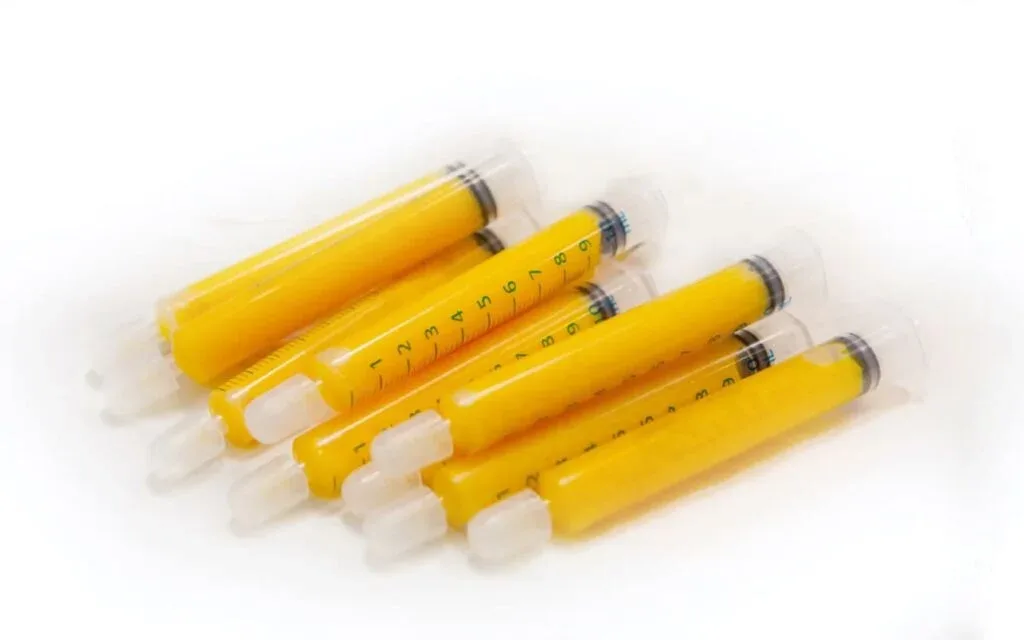
The fat injection might be a way of breast augmentation by itself in a selected group of patients. Ideally, a fat-injection candidate should:
- Not be obese or skinny
- Be able to maintain a stable weight
- Expect a modest augmentation
- Have no ptosis at all
- Not have multiple cysts in the breast
- Not have suspicious calcifications on her mammography
- Be a non-smoker
Fat does not have the cohesivity of the silicone used in implants, so it behaves more like sand in the breast, conceding to gravity.
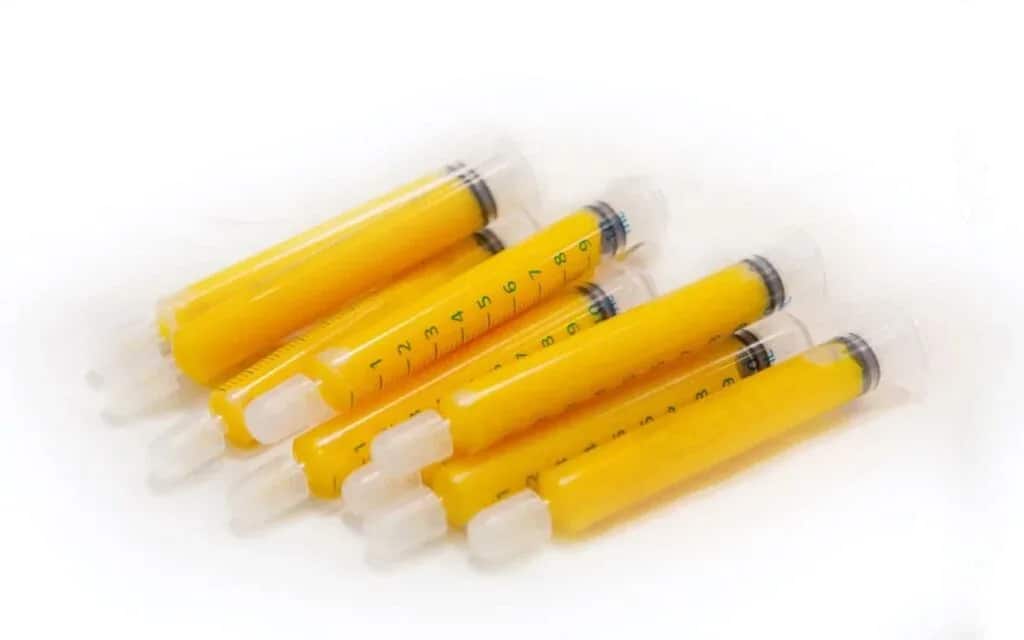
Fat injections do not lift or shape the breasts as silicone implants
A more common indication for fat injection is to enhance the results of silicone breast augmentation. Fat injection may be used as an adjunct to silicone prostheses for:
- Achieving symmetry
- Smoothing out visible implant borders
- Covering ripples
- Decreasing the distance between the breasts
When the fat injection is used with silicone implants, the operation is called Hybrid Breast Augmentation.

Recovery Timeline
Breast augmentation is an easy procedure when compared to other aesthetic surgical procedures. The reason for that is as follows:
- It is a short surgical procedure, minimizing the untoward effects of general anesthesia.
- The incision is very short, so the pain and complications related to this wound are limited.
- The operation area is restricted to the chest area and does not affect your daily activities.
Dr. Demirkan uses special techniques to provide safe surgery and rapid recovery after breast augmentation:
- He treats tissues meticulously, inducing minimal trauma.
- He creates a precise pocket dissection that snugly fits the implant, which prevents rippling or dislocation.
- By using a Keller Funnel no-touch technique, he inserts the silicone implants without any contamination.
- He prefers to use drains to remove all the blood collected within the pouch, thus reducing hematoma and infection risks.
- Before closing the incision, he injects Exparel into the operation field, an FDA-approved long-lasting analgesic to control your pain.
Time Table for Recovery
| Stage | Time |
|---|---|
| Surgery time | 2 hours |
| Hospital stay | 1 day |
| Drain removal | 2-3 days |
| Mobility | 3 hours |
| Arm movements | 5 days for full elevation |
| Shower | Next day |
| Pain | 1-2 weeks |
| Lifting things with your arms | 3-6 weeks |
| Medical bra | 3-4 weeks |
| Sleeping on back | 4 weeks |
| Time off work | 1-2 weeks |
| Massage | After the 3rd week |
| Sexual activity | After the 5th week (for breast involvement) |
| Exercise | After the 5th week |
| Full recovery | 6-8 weeks |

Longevity
When performed by a board-certified plastic surgeon, breast augmentation surgery is a safe and effective procedure for achieving the breasts you always dreamed of. The initial recovery period is very important to avoid complications. Take your time for a full, eventful recovery. Following this 6-week healing period, there are a few more precautions you may take to increase the life span of your implants.
Important Measures during the Recovery Period
- Avoid sleeping on your side or in a prone position for 4 weeks after your breast augmentation. Your implants need to stabilize in their pockets. Sleeping over them may enlarge the pouch your surgeon carefully created, which may eventually lead to the displacement of your implants.
- If you had a submuscular or dual-plane implant, avoid lifting heavy objects with your arms for 6 weeks. This will cause pectoral muscle contractions and may cause bleeding within the first week, or displacement later. In subglandular implants, the refraining time may be shorter, such as 3 weeks.
- Use the medical bra given by your physician after the breast augmentation. The medical bras used in augmentation have an elastic fabric to accommodate the postoperative swelling, wide and soft bands, total wrapping cups in the front piece, and a bandage applied from above to press the implants inferiorly. This setting fixes your implants in the desired position during healing. Using sports bras during recovery may displace implants superiorly, and normal bras with wires in the band area may disturb wound healing in the incision.
Precautions in Daily Life
- Support your breasts! They are bigger and heavier now, prone to gravitational pull and sagging. This is particularly important during jogging and jumping-type exercises. A sports bra is definitely indicated during exercise to prevent bouncing. You may go braless in daily life, but it would be better to limit these free periods after your surgery.
- Protect your breasts from being excessively played off during sexual activity. Continuous circular or pulling-pushing movements will detach the implant from its surrounding soft-tissue adhesions and make it mobile within an enlarged pocket. This may even cause the implant to turn upside down.
- Avoid large weight fluctuations, which will increase the chances of sagging.
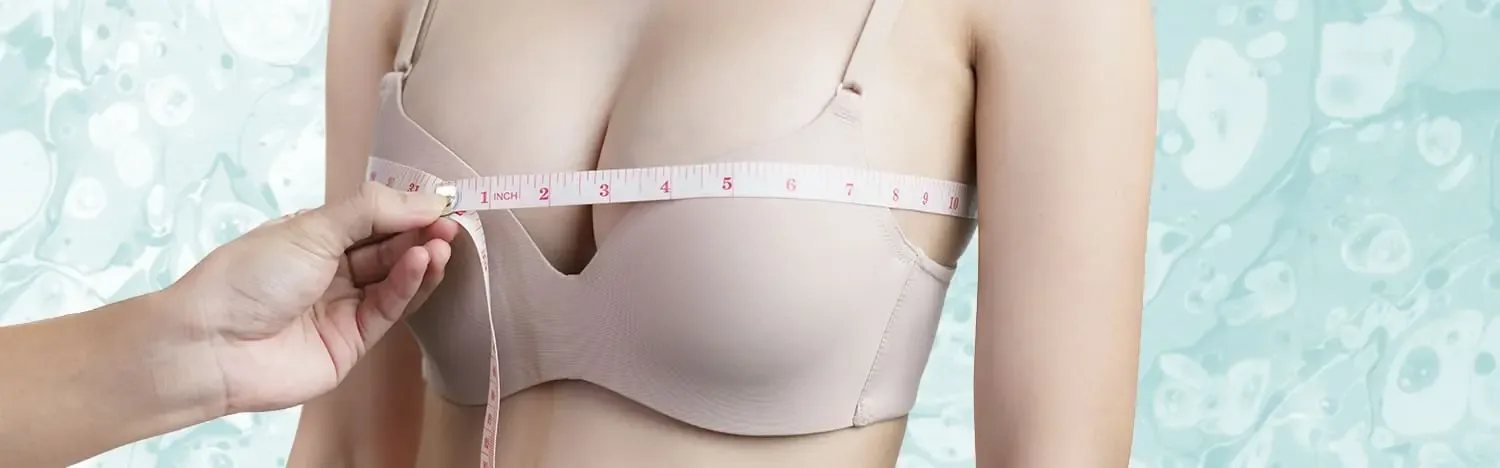
Bra Sizes
Bra manufacturers use 4 different sizing systems depending on the geographic location: UK, Europe, Russia and Australia/New Zealand. But all of them use a band size and a cup size measurement, as shown in the table below.
This table is based on bra measurements in the UK.

Sensation
The nipple sensation is erogenic and conveyed by a special nerve that has a complicated anatomy. This nerve is called the 4th intercostal nerve, and it sends branches to the nipple both from the inner and outer parts of the breasts.
They may be pulled during dissection or stretched by the implant during the breast augmentation surgery. Postoperative oedema has a compressive effect on these branches as well. Dr. Demirkan uses a preoperative steroid injection and postoperative cooling techniques to limit nerve injury.
Nerve injury may happen in about 5% of cases, and its occurrence is not related to the incision or implant-placement sites. Implants with larger volumes have been associated with nerve injury in some studies but not in all.
Pregnancy & Lactation
You may breastfeed your baby even if you have had a breast augmentation. In only the cases where the incision was placed in the peri-areolar region might there be some obstruction of milk channels due to the scar tissue.
Loss of nipple sensation may be another cause of difficulty in breastfeeding. When you are not able to feel your baby suckling at your nipples, prolactin and oxytocin hormone release from your brain may not be triggered. These hormones are responsible for breast milk production.
There are numerous studies that examine the transfer of silicone molecules from mother to fetus during pregnancy and their presence in breast milk after the delivery. Some of these were animal experiments; however, it was found that silicone has no toxicity during or after pregnancy. Some minute levels of silicone may be present in breast milk in implant-recipient women; however, the origin of this silicone is more likely to be related to nutritional or environmental sources.
Another frequently asked question about pregnancy and breast augmentation is whether breastfeeding causes excess breast sagging or not.
Most studies do not show a significant change in breast sagging postpartum; however, the following factors do play a significant role in fastened sagging:
- Pregnancy weight gain
- Genetics
- Length of breastfeeding
- The number of pregnancies
Although it is up to you, a planned pregnancy in the near future is not a contraindication for breast augmentation. However, it would be better if you wait for conception until after full healing of the augmentation procedure, that is to say, 2 months.
Implant Change
The longevity of breast implants is a question in mind for almost every patient considering breast augmentation.
However, everything has a life span, and you should not expect to have your breast implants for an entire lifetime. Most research made on implant recipients revealed that about a quarter of these patients have removed or changed the implants in the second decade. The reasons for breast implant removal or change include:
- Capsular contracture
- Implant rupture
- Rippling
- Implant malposition
- Change to a larger or smaller size
- Implant change during a lifting procedure
- Personal reasons to remove
Implant manufacturers provide different types of warranties that may vary in different regions of the world. Most companies in Turkey give a lifetime warranty for implant rupture due to production mistakes. Some companies may provide a free implant replacement in case of Grade III or IV capsular contracture developing within the first decade.
Capsular Contracture
The introduction of any foreign material into your body always induces the formation of a surrounding capsule. This aims to wall this foreign body off from your living cells; breast silicones are no exception.
However, in some cases, this capsule thickens and starts to exert a contraction on the silicone implant. This is called capsular contraction. It is a gradual process and may halt at any stage. Therefore a staging system is used to describe the extent of capsular contracture. This is called Baker's Classification System:
- Grade I - no capsular contracture.
- Grade II - there is some clinical contracture, but only your physician may understand it.
- Grade III - you will notice the contracture due to its symptoms: hardening of your breasts.
- Grade IV - people who see you may understand there is a problem in your breast, as they are overtly deformed in addition to hardness, pain and distortion.
Another strong theory is the formation of a so-called 'biofilm' around the implant due to contamination by the bacteria normally living in your skin. During the surgery, these benign bacteria might survive even after skin prepping with antiseptics and might be introduced into the pocket during the passage of the breast implant through the skin incision. Then they stick on the surface of the implant and may create colonies covered with a secretion (that is why this formation is called a biofilm) that enable them to escape your body's surveillance systems.
That chronic low-grade inflammation then may lead to capsular contracture. Another factor that eases the formation of biofilms is hematomas that may form within the pocket, as blood clots are a good culture media for any type of bacteria.
Surface characteristics of silicone implants might have a role as well in the development of capsular contracture. Textured surfaces have been found to be less associated with capsular contracture. A unique, polyurethane-coated implant type has actually the lowest rate of capsular contracture.
Capsular contracture may occur at any time after the surgery; however, most cases are seen within the first two years. Most of the late occurrences are associated with implant rupture. The incidence is around 4-5% of cases. Having a Grade II capsular contracture does not mean that it will inevitably advance to Grade IV.
Moreover, it is not an untreatable condition. For light cases, medical treatments may be sufficient; however, if there is a significant distortion or pain, an implant replacement will be necessary.
To prevent capsular contracture, Dr. Demirkan takes several precautions:
- Textured implants are preferred.
- During surgery, prior to implant insertion, the surgical site is prepped again, gloves are changed and the pocket is flushed with a triple antibiotic solution.
- A Keller Funnel is used to prevent contamination of the silicone implant during pocket insertion.
- Drains are used in every case to prevent hematoma and any clot accumulation.
- A massage program is encouraged during the recovery period.

ALCL
ALCL is another risk associated with silicone breast implants. It is a fairly recent type of complication and may be the only tumor associated with breast augmentation.
It is thought to be related to the factors associated with capsular contracture and the surface characteristics of some implants. It is quite rare and confined to the implant capsule, hence with a good prognosis, with the majority achieving complete remission. Early diagnosis is important. It is usually manifested by a mass or effusion in the capsule.
The symptoms may be discomfort, tightness in the chest, enlargement of a breast, finding a mass on self-examination, skin rashes and lymph-node enlargement in the armpits. The treatment is surgical and consists of the removal of the implants and their capsules together with the tumor.
Frequently Asked Questions
Should breast implants be placed above or below the muscle?
How is the breast implant size chosen?
Do I need a breast lift as well as augmentation?
Can I breastfeed after breast augmentation?
How long do breast implants last?
What is capsular contracture?
How long is recovery after breast augmentation?
Related reading
Considering breast augmentation?
Book a virtual consultation with Prof. Dr. Ferit Demirkan to discuss your goals and a plan suited to you.
Contact us