We love the sun because it makes us feel good, for several reasons. Sunlight lets the skin synthesise active vitamin D, contributing seriously to health; vitamin D deficiency is proven to harm hair and nails, facilitate auto-immune and cardiac disease, and cause bone loss. Longer daylight has an anti-depressant effect, with suicide rates rising in high-latitude countries where nights last for months. The sun also has an aphrodisiac effect, more pronounced in men. And sun-kissed skin makes people feel more attractive: in a study of 80 subjects, photos were digitally "tanned," and both subjects and independent observers judged the tanned versions to look better.
How the sun harms the skin
A tan may look better briefly, but the sun still damages the skin. When UV rays enter the skin, cellular inflammation and edema make it look thicker and smoother, and the tan gives a temporary evenness of colour even though spots surface later, which is why tanned skin looks better and solariums still work. Beyond producing vitamin D, ultraviolet offers no benefit, and much harm.
UV divides into A, B and C. UVC is fully absorbed by the ozone layer. Of the UV reaching the ground, 95% is UVA and the rest UVB. UVB produces vitamin D and causes redness and tanning; UVA penetrates deeper and accelerates aging, causing spots, fine wrinkles and reduced elasticity. Both are carcinogenic. UV also reaches us reflected from clouds, glass and water, and UVA can pass through glass, so our continuously exposed hands and face need protecting year-round, indoors and out.
Choosing a sunscreen
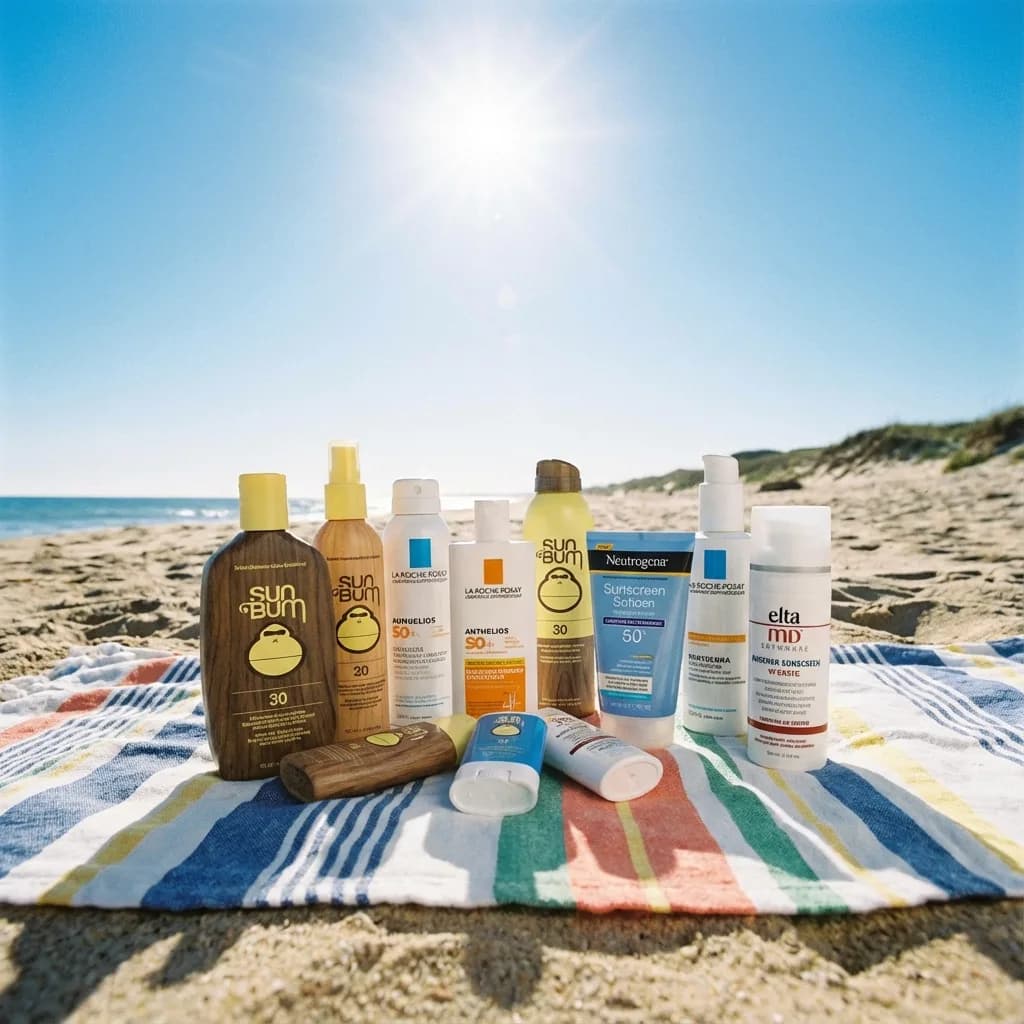
The best protection is sunscreen, in two main types: mineral (physical) filters, which form a barrier and reflect UV, and chemical filters, which are absorbed and neutralise UV inside the skin. For long-term daily use we generally recommend a physical filter, since it is not absorbed and is less likely to cause allergy, oiliness or shine. A higher SPF extends the duration of protection, not its strength, and no sunscreen is 100% effective. For a fuller comparison of filter types and how SPF works, see our dedicated guide, "Are All Sunscreens the Same?".
What about vitamin D?
Will sun protection lower vitamin D? Somewhat, the best hours for synthesis (11:00–16:00) are exactly when avoiding the sun or protecting well is advised. On an average day, exposing the hands, face and arms for 20 minutes meets the ~1000 IU daily need; on sunless days, oral supplements (600–800 IU, some recommend up to 2000 IU) help. The hands and face are most exposed and age fastest, so protect them well and leave the rest of the body exposed for 20 minutes. There is no need to extend it, since vitamin D synthesis saturates and stops increasing.
The CSA skin-protection shield
For an intense sun-and-sea holiday, a good dermatocosmetic routine is CSA: vitamin C + sunscreen + retinol (vitamin A):
- Morning: after cleansing, a vitamin C solution strengthens the skin against the day's intense sun by collecting the free radicals UV creates from within the skin; this antioxidant effect helps the skin defend itself.
- Daytime: apply your physical sunscreen before going out and reapply as needed, since physical filters can wash and wipe off. After the beach or pool, a hydrating cream reduces water loss; hyaluronic-acid creams are among the best.
- Night: a vitamin A (retinol) serum repairs the day's damage. While you sleep it signals cells to produce collagen, boosts regeneration and reduces melanin synthesis, giving fewer wrinkles, livelier skin and more even tone. The natural L form reduces reactions, and the concentration should match your skin's oiliness.
What if you have spots?
If you already have spots, sun exposure can worsen them, so sunscreens must be used effectively. We do not apply exfoliating spot-reduction treatments in summer, as they can backfire; using production-suppressing creams and getting through summer is best.