A century ago, a tanned complexion was socially unacceptable for middle- and upper-class women, it evoked field labourers, so everyone protected themselves with parasols, hats and veils. After World War II this reversed: a tan was seen as a sign of health, formulas were developed to tan more, and solariums opened so people could stay bronze in winter too. In the 2000s the tide turned again, solariums are gradually being banned, sun exposure is discussed only for vitamin D, and we debate which sunscreen is more effective. Because the only thing needed to tan is ultraviolet rays, and we now know these have many harmful effects from aging to skin cancer.
Still, as summer ends our skin tone changes. The leftover tan may make us feel beautiful in the mirror, but it is really a measure of how much we aged this summer. How does the sun age us? Ultraviolet rays affect all layers of the skin, with their point of action being the cell's DNA.
What sun damage looks like
The most obvious sun-related skin disorder is pigmentation. These spots, large and small, sometimes in clusters, are a more visible problem in people with darker skin, and if peeling procedures have been applied before, they can become widespread and permanent. In older age, crust-like skin problems (actinic keratosis) may accompany them.
Another important harm is the death of elastic fibres in the dermis. Skin that loses elasticity thickens, dulls and becomes covered with fine wrinkles, different from the dynamic, expression-related wrinkles corrected with Botox; these appear everywhere and are permanent. In skin with wide pores, solar comedones, pimple-like lesions mostly on the cheeks, sometimes white, sometimes black, can be confused with acne. Increased capillaries and raised redness on the cheeks and neck (sun allergy) are rarer problems.
Repairing sun damage: protection first
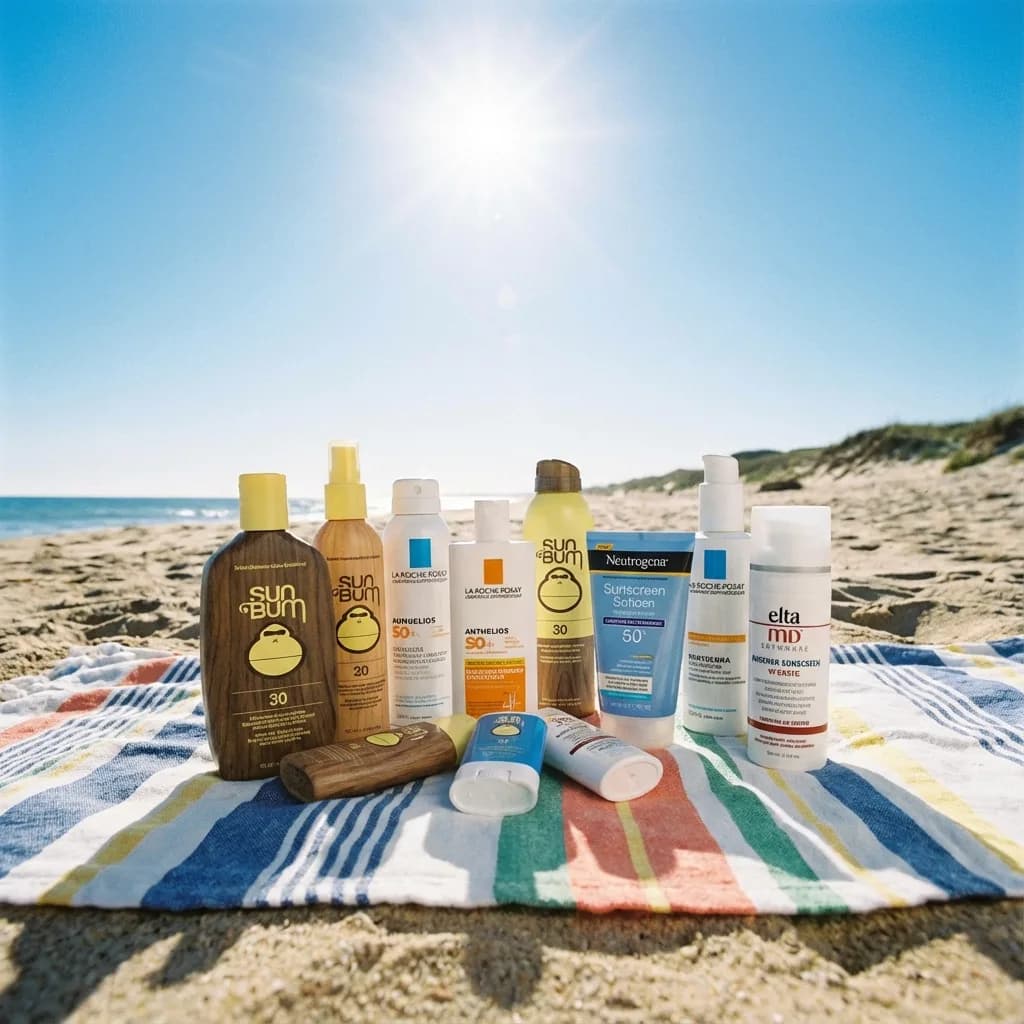
First, sun protection must continue in winter too. Even sitting at home or the office, glass does not block incoming UVA rays, and in snowy environments reflected rays can bring UV damage close to summer levels. The best protection is a good sunscreen, creams with both mechanical and chemical filters are effective against UVA and UVB (ordinary sunscreens cover only UVB).
Cellular therapies to reduce DNA damage
Next come methods that reduce DNA damage, grouped as cellular treatments: PRP, fibroblast and stem cell injections. PRP suits almost everyone, especially in autumn: blood is drawn and platelets separated. Platelets rush to any injury and start and direct healing; they contain seven types of growth factor that can repair the sun's harmful effects. They are injected under the skin, or applied as a mask after laser or roller procedures that create micro-channels. Their lifespan is at most 15 days, so a good course needs 4–6 applications, one every 15 days.
Fibroblast injections are ideal for skin that becomes wrinkled and gel-like after age 55. A tiny piece of skin taken from behind the ear is sent to the lab, collagen-producing fibroblasts are isolated and multiplied in culture, and a month later these cells are injected into the problem areas, repeated once or twice more at monthly intervals, to produce fuller, smoother skin. Stem cell therapies isolate stem cells from fat tissue and inject them into the face; after they were seen to restore radiotherapy-damaged skin, they began to be used for rejuvenation too. The ideal candidates are people who, with aging, also have facial volume loss; the cells need a little fat injection alongside them to activate.
General maintenance and a tailored plan
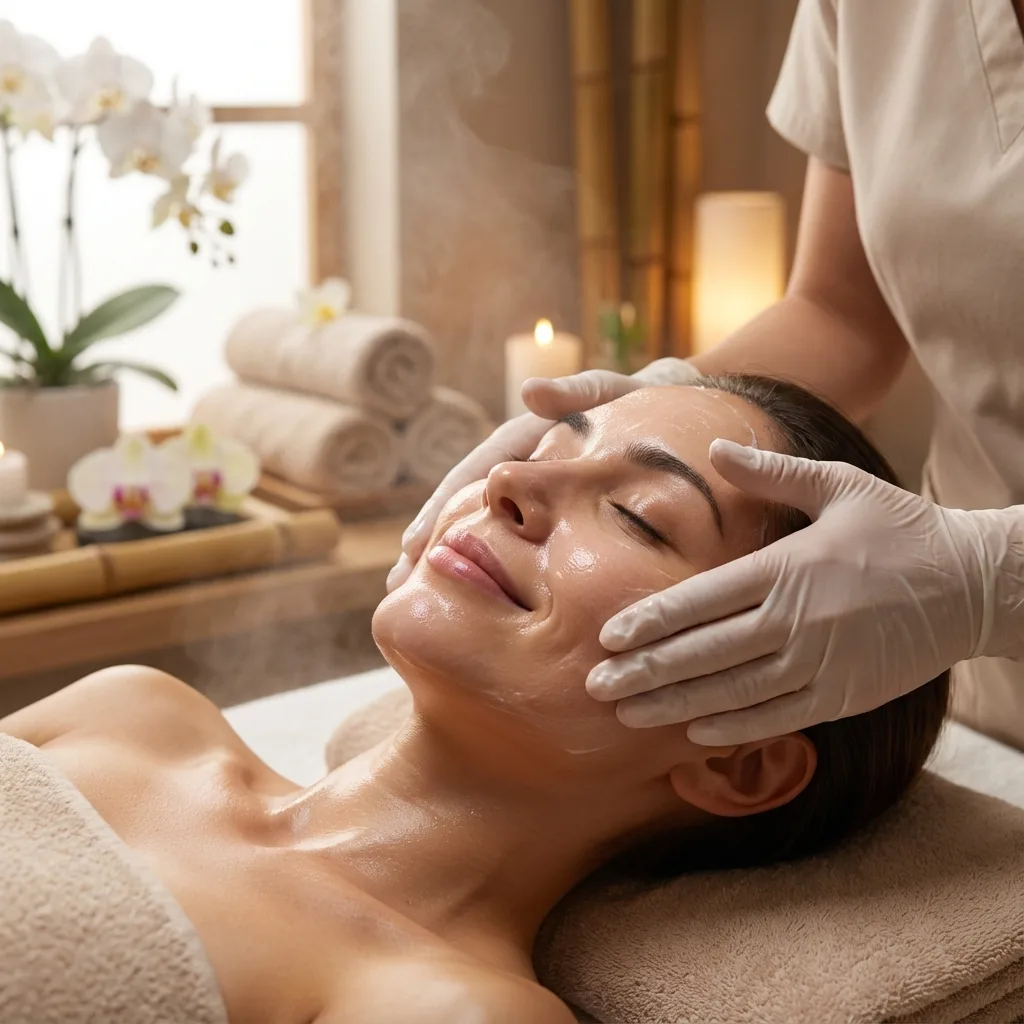
After choosing a cause-directed treatment, general-care procedures are also needed. Exfoliating procedures that remove dead, sun-damaged skin layers also help spots: chemical peels and fractional carbon dioxide laser are very effective, but afterwards require lifelong effective sun protection, otherwise all the spots return, increased. Mechanical exfoliation like micro-peeling is gentler but safer, and new-generation devices like OxyGeneo combine light exfoliation, tightening and nourishment in one. Maintenance cosmetics are then needed too.
As technology advances, everything becomes more complex, so it is best to consult a specialist and develop a personalised care algorithm.