Skin spots rank first among the reasons people seek aesthetic help, and they are seen ever more often, both because we live in a very sunny country and because cosmetic procedures are increasingly performed in unqualified hands. For these same two reasons, the very methods meant to treat spots can themselves become a source of new ones.
Is it possible to get rid of spots?
As with everything in medicine, prevention is very important in treating spots. If we know the situations in which spots appear, we can find ways to avoid them. Spot formation falls into two main categories:
- Post-inflammatory hyperpigmentation, spots that appear after any surgery, trauma, redness- and peeling-inducing cosmetic procedures (peels, roller treatments, fractional laser and IPL), eczema, acne or acute burns. Seen equally in men and women, with an asymmetric distribution, it develops when inflammation in the skin stimulates the pigment-producing cells in that area.
- Melasma, symmetric spots seen mostly in women, appearing when estrogen rises. Pregnancy, estrogen-containing pills such as oral contraceptives and other hormonal treatments cause melasma, which is more common in darker skin tones.
Post-inflammatory hyperpigmentation can be prevented
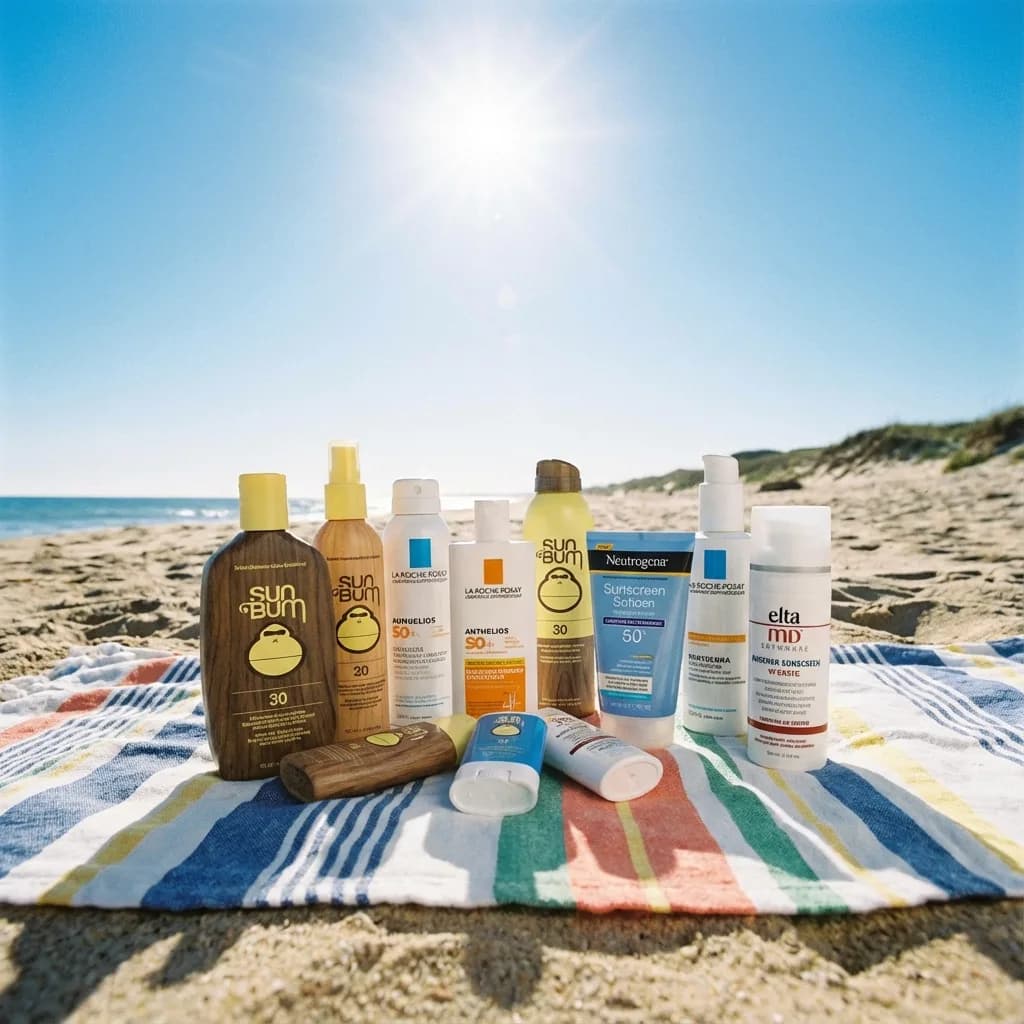
Effective sun protection after the procedures listed above is the fundamental first measure, since ultraviolet rays also stimulate pigment cells. In sensitive skin, giving a pigment-suppressing or lightening treatment before surgery or a procedure is also very effective. Another safeguard is to have cosmetic procedures done by physicians who know the devices, their settings, the chemical doses and the application methods well.
Melasma is much harder to prevent: even with sun protection, antioxidants and lightening agents, spots can appear, and once they do, getting rid of them may not be possible.
Treatments when spots have already appeared
In post-inflammatory hyperpigmentation, spots sometimes fade on their own. If not, the colour can be lightened with treatments that both exfoliate the pigmented skin and suppress new pigment production. The most effective approach is a 4–6 week suppressive treatment followed by fractional laser to resurface the spotted skin. Controlled peels and IPL can also help. These should be done in the low-sun winter months, with a lasting change in sun-protection habits afterwards, otherwise the spots return.
Once melasma has appeared, little can be done. Ongoing suppression-exfoliation treatments and sun protection can bring it under partial control, and camouflage make-up can be applied to the remaining spots.