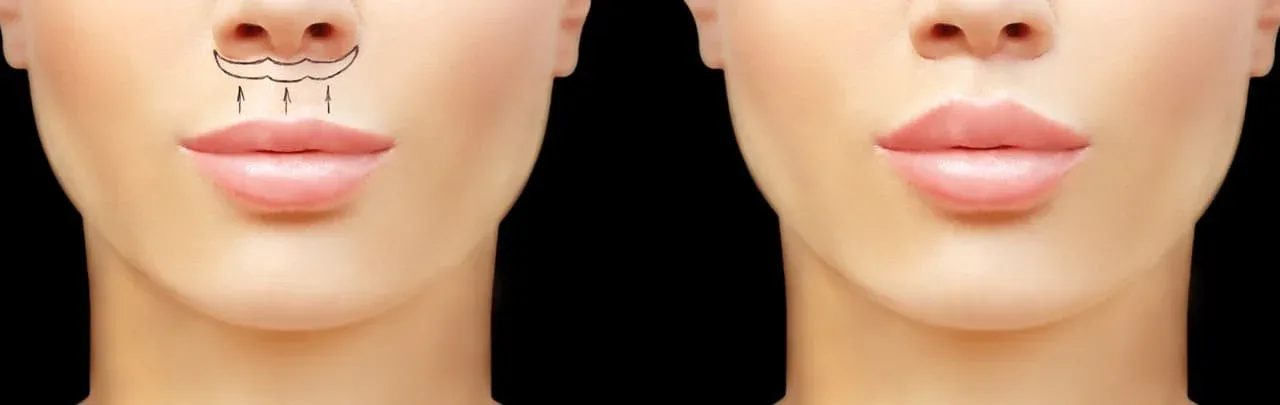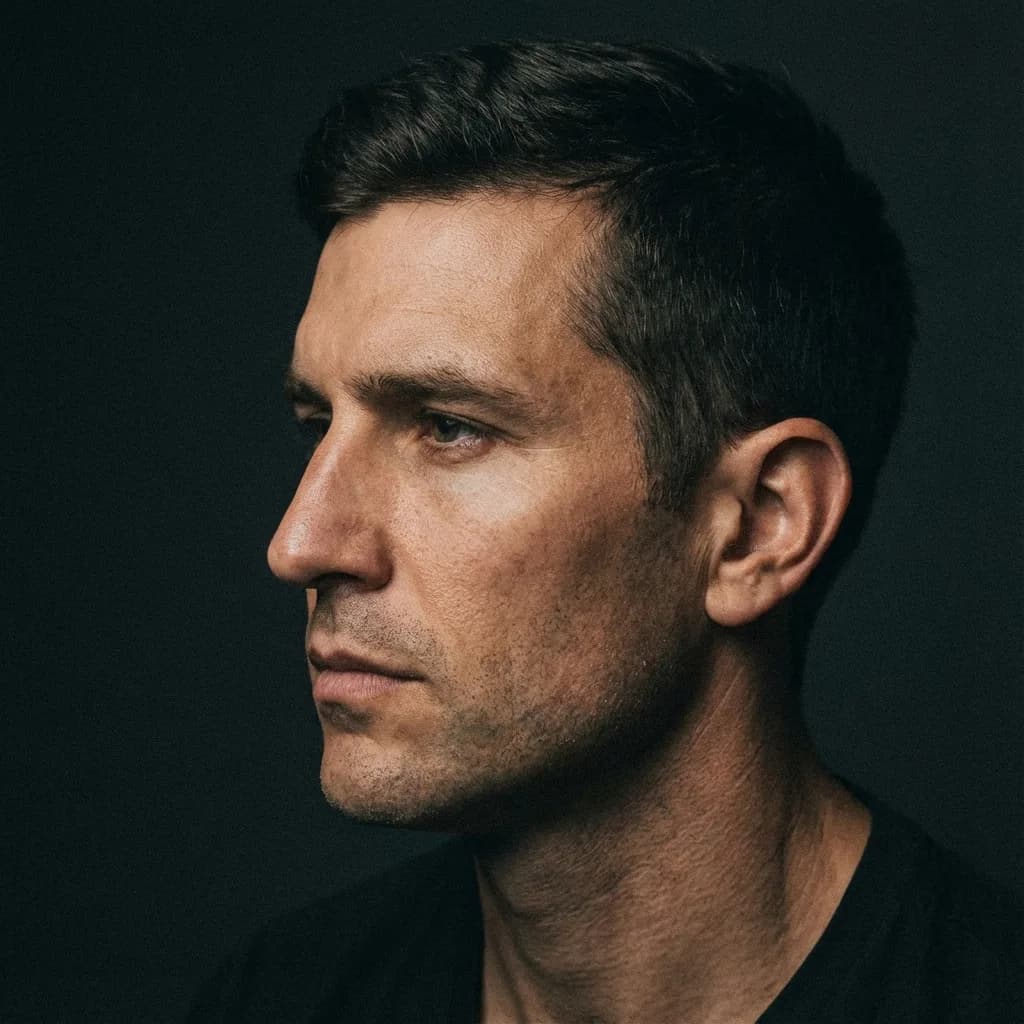
Men increasingly request aesthetic rhinoplasty, in Western countries, a quarter of rhinoplasty patients are men. There are a number of fundamental differences that set male nose aesthetics apart from female.
Preserving a masculine appearance
The foremost priority in a male aesthetic result is preserving a masculine appearance, and how that is achieved varies with each patient's face and harmony. As a general rule, the nasal tip is not lifted too much, not over-refined, and an upturned nose is avoided (something now rarely done even in women, as it looks unnatural). The angle between nose and lip is kept around 105 degrees in women but about 90 degrees in men.
If a straight nose with a slightly raised tip is the goal, more defined eyes, cheekbones and jawline create a balance that prevents feminisation. A weak chin and cheekbones can also make the nose look larger than it is, so procedures in those areas may be suggested to restore balance. In general, not over-reducing the nose, keeping its height strong and projection good even when making it straight, gives a more natural, favourable result.
Different expectations, targeted requests
Men's requests are not as uniformly holistic as women's. A man may present with a complaint about only the nasal hump, a drooping tip, or a wide tip, and addressing just that part may be enough for him, because there is no single accepted standard aesthetic shape for the male nose. The female nose, by contrast, has a generally desired form definable by golden proportions, and all the necessary areas are addressed to reach it.
For some men, the main motivation is breathing better, with appearance-related requests arising from secondary changes after trauma. In middle-aged and older men, body image is usually settled and very dramatic changes can leave them unhappy; in an adolescent who is unhappy with an inherited nose shape, conservative but noticeable changes can be a better option.
Skin, healing and revision
What the post-operative result might look like should always be discussed with digital imaging on a draft, to understand how much change the patient wants. Despite a more cautious approach, revision rates are slightly higher in men than in women.
Men's skin is thicker and oilier, which prolongs swelling after surgery. Applying fractional carbon dioxide laser before or after rhinoplasty improves skin quality and tightens pores. In middle-aged and older men, acne rosacea and its advanced form, rhinophyma, may also be seen; in such cases the tip width comes from excessively thick skin rather than the tip cartilages, so the procedure must be planned accordingly. Thicker bone and cartilage in men can also cause more bruising and swelling, especially in operations where bone is cut.
Function and ethnic nose types
Men more often have a history of nasal injury from sport and trauma, and septal deviation is more frequent or more pronounced, this must always be corrected during the procedure. Ethnic characteristics are also more marked in male noses. Among the ethnic types seen in Turkey are the "Black Sea nose", relatively thin-skinned with a very pronounced hump and a downward-projecting, not-too-wide tip, and the "Arab nose", long, widening downward, with thick tip skin and a drooping, unsupported tip.